11 Foods You Should Avoid Putting in a Slow Cooker (And What to Use Instead!)
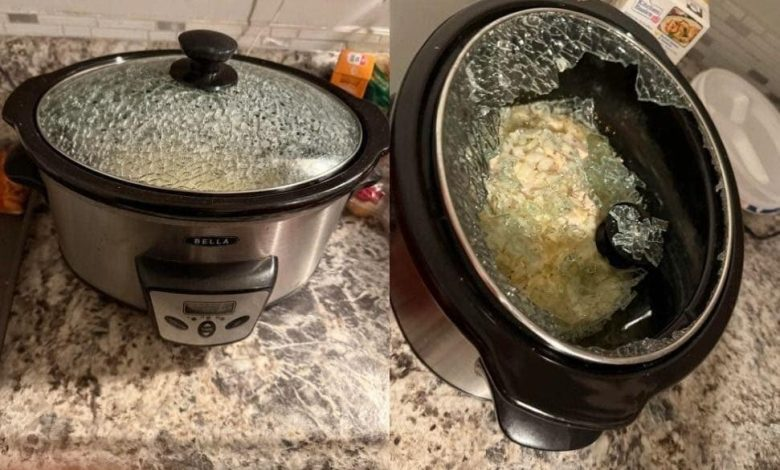
Slow cookers are true kitchen workhorses. There’s something incredibly satisfying about setting everything up, walking away, and returning to a home filled with the smell of a warm, home-cooked meal. Still, despite their convenience, slow cookers aren’t foolproof—some ingredients simply don’t handle long, low heat very well.
If you’ve ever lifted the lid to find separated sauces, overcooked seafood, or mushy starches, you know how disappointing it can be. Here’s a helpful guide on what to avoid adding too early—and how to adjust your approach for better results.
1. Dairy (Milk, Cream, Sour Cream, Soft Cheeses)
What goes wrong: Extended heat causes dairy to split or become grainy, leaving sauces uneven and watery.
Better approach: Add dairy near the end of cooking—about 15–30 minutes before serving. For longer cooking, use more stable options like evaporated milk or coconut milk.
2. Seafood (Shrimp, Fish, Scallops)
What goes wrong: Seafood cooks quickly, so long cooking times make it tough and rubbery.
Better approach: Add seafood during the final 15–30 minutes on high heat, or cook it separately and mix it in just before serving.
3. Fresh Herbs (Basil, Parsley, Cilantro, Dill)
What goes wrong: Delicate herbs lose their flavor and can turn bitter after hours of heat.
Better approach: Use dried herbs while cooking, and add fresh herbs at the end for a burst of flavor and color.
4. Alcohol (Wine, Beer, Liquor)
What goes wrong: In a covered slow cooker, alcohol doesn’t fully cook off, leaving a sharp taste.
Better approach: Simmer alcohol on the stovetop first for several minutes before adding it to your dish.
5. Rice
What goes wrong: Rice can absorb too much liquid and become overly soft or stick to the bottom.
Better approach: Cook rice separately and stir it in at the end to maintain the right texture.
6. Pasta
What goes wrong: Pasta tends to overcook, becoming soft, sticky, or breaking apart.
Better approach: Boil pasta separately until just tender, then add it to the slow cooker shortly before serving.
7. Leafy Greens (Spinach, Arugula, Chard)
What goes wrong: These greens break down too much, becoming limp and losing their appeal.
Better approach: Stir them in during the last 10–15 minutes so they wilt gently while staying fresh.
8. Soft Vegetables (Zucchini, Bell Peppers, Asparagus)
What goes wrong: They lose structure and turn mushy when cooked too long.
Better approach: Add them later in the cooking process or sauté them separately and mix in at the end.
9. Lean Meats (Chicken Breast, Pork Loin)
What goes wrong: Without enough fat, these cuts can dry out and become stringy.
Better approach: Choose fattier cuts like chicken thighs or pork shoulder. If using lean meat, reduce cooking time.
10. Raw Eggs
What goes wrong: Eggs don’t cook evenly in slow, moist heat and can turn rubbery.
Better approach: Prepare eggs separately, or add beaten eggs at the end to hot liquid for dishes like soups.
11. Avocados
What goes wrong: Heat causes avocados to brown and develop a bitter taste.
Better approach: Always add avocado fresh just before serving.
Bonus: Ingredients That Work Well
For reliable results, stick with ingredients that thrive in slow cooking:
- Tough cuts of meat like chuck roast or pork shoulder
- Root vegetables such as carrots and potatoes
- Sturdy herbs like bay leaves and thyme
Helpful Tips
- Keep the lid closed: Each time you open it, heat escapes and cooking time increases.
- Fill properly: Aim to keep the pot about halfway to two-thirds full.
- Brown your meat first: Searing adds flavor and improves texture.
Final Thought
Your slow cooker is a powerful tool—but it works best when you understand how ingredients behave over time. With the right timing and choices, you can avoid common mistakes and create consistently delicious meals.