Can vinegar soften towels and bed sheets? Here’s everything you need to know
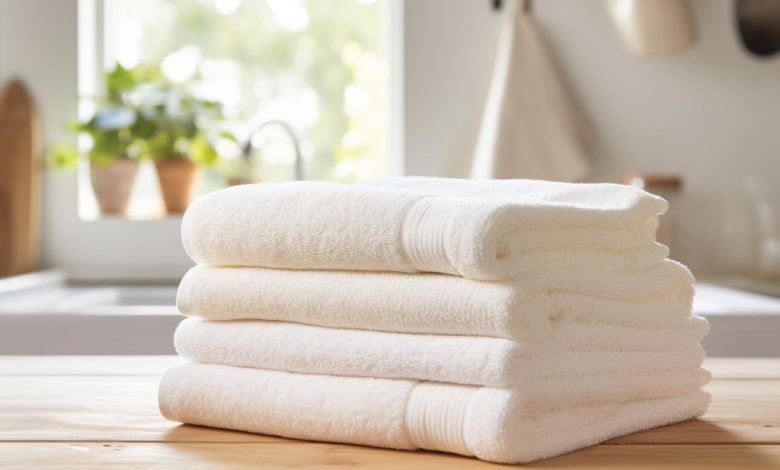
For many, there’s nothing quite like wrapping up in a soft towel or sliding into cozy bed sheets at the end of a long day. But keeping your linens luxuriously soft can often feel like a losing battle. While commercial fabric softeners are widely used, more people are turning to natural solutions—like vinegar—for a gentler, greener approach.
In this guide, we’ll uncover why vinegar works so well as a fabric softener and share a variety of tips to help you maintain soft, fresh linens without harsh chemicals.
Why Vinegar Works: The Science Behind the Softness
A staple in homes for generations, white distilled vinegar is a surprisingly powerful ally in your laundry room. Its main ingredient, acetic acid, is the key to transforming stiff, scratchy towels into something soft and inviting.
Here’s how vinegar helps:
- Removes Residue: Over time, soaps, detergents, and even body oils build up on your fabrics, making them feel rough and less absorbent. Vinegar dissolves these residues, restoring the fabric’s natural feel.
- Softens Hard Water Effects: In areas with hard water, mineral deposits can cling to fabric, causing stiffness. The mild acidity of vinegar neutralizes these minerals, helping your linens come out softer.
- Reduces Static Cling: Static electricity can make bed sheets and towels clingy and uncomfortable. Vinegar helps neutralize these charges, leaving your laundry feeling smoother and more manageable.
How to Use Vinegar for Softer Towels and Sheets
1. Soak Before Washing
Give your linens a deep clean by soaking them first. Fill a basin or tub with warm water and add 1–2 cups of white vinegar. Let the towels or sheets soak for 15–30 minutes to break down buildup.
2. Use During the Rinse Cycle
Skip the fabric softener. Instead, pour ½ to 1 cup of vinegar into the rinse cycle of your washing machine. It helps rinse away leftover soap and softens your laundry naturally.
3. Use in Moderation
Vinegar is effective—but too much can wear down fabrics over time. Try using it every few washes, not every load, to strike a healthy balance.
4. Add a Natural Scent
Worried about a vinegar smell? Don’t be—it usually disappears during rinsing. If you’d like a pleasant scent, add a few drops of essential oil like lavender or eucalyptus to your pre-soak.
Other Ways to Keep Your Linens Soft
While vinegar is a great natural softener, there are other gentle, eco-friendly methods you can add to your routine:
- Baking Soda Boost
Add ½ cup of baking soda to your wash cycle. It helps soften fabrics and neutralize odors naturally. - Reusable Softener Balls
Wool or plastic softener balls can be filled with liquid softener and tossed in the dryer. They help spread the softener more evenly throughout your load. - Wool Dryer Balls
These are a natural alternative to dryer sheets. They fluff your laundry, reduce static, and prevent over-drying—which often makes fabrics feel stiff. - Choose Mild Detergents
Harsh detergents with strong fragrances can make fabrics stiff over time. Choose mild, fragrance-free options, especially those made for towels or sensitive skin. - Let Nature Do the Work
Sun-drying your linens is an effective way to soften and freshen them. Plus, the sun naturally sanitizes and adds that fresh, clean scent.
Final Thoughts: A Softer Touch, Naturally
Using vinegar as a fabric softener is not just cost-effective—it’s a smart, sustainable way to keep your linens feeling great. It tackles residue, combats hard water, and reduces static, all without the chemicals found in commercial softeners. Pair it with other gentle laundry habits, and you’ll have irresistibly soft towels and bed sheets you’ll look forward to using every day.