Harmful if made wrong: a hidden risk in a globally popular food
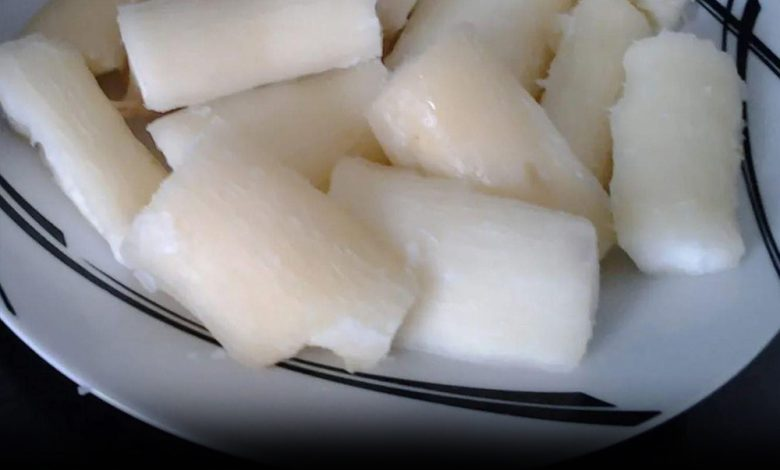
Handle With Care: The Hidden Danger of a Common Global Staple
Why Cassava Needs Caution
Cassava feeds millions from Brazil to Vietnam, yet many are unaware that if it isn’t prepared properly, it can release cyanide. Improper handling has led to poisoning outbreaks and even a neurological disorder called konzo.
The good news? Traditional methods remove the risk, leaving only nutrition and flavor.
What Makes Cassava Risky
- The “bitter” type contains high levels of cyanogenic compounds.
- Grating or chewing the root activates enzymes that release cyanide—the same toxin famous in spy stories.
- Without proper boiling or fermentation, the toxin remains in the food.
Why Poisoning Occurs
- Limited cooking resources such as fuel or water.
- Emergency harvesting during food shortages.
- Loss of traditional knowledge about safe preparation.
Konzo: The Often Overlooked Illness
In parts of Africa where protein intake is low, consuming improperly prepared cassava repeatedly can trigger konzo. Cyanide damages the nervous system, causing sudden leg weakness and, in severe instances, permanent disability.
How to Make Cassava Safe
- Peel Thoroughly – Most toxins are in the skin.
- Soak or Ferment – Grate or slice the root and submerge in clean water for 1–2 days. In northern Brazil, this process produces farinha d’água (cassava flour).
- Cook Well – Boil for at least 20 minutes; raw cassava is unsafe.
- Pair with Protein – Foods like eggs, fish, or beans help the body neutralize cyanide.
When Cassava Becomes a Problem
Serious poisoning usually happens during extreme situations like drought, conflict, or poverty. In communities where traditional practices are preserved, mistakes are uncommon. Reinforcing safe preparation through public health education remains essential.
The Healthy Benefits of Cassava
- High in complex carbohydrates.
- Gluten-free and a good source of soluble fiber.
- Versatile for soft cakes, wheat-free breads, and crispy fried dishes.
With careful peeling, soaking or fermenting, thorough cooking, and balanced meals, cassava transforms from a hidden hazard into a safe, nutritious, and delicious staple. Science and tradition together make it a reliable ally for everyday diets.