11 Foods You Should Never Cook in a Slow Cooker (And Safer Alternatives!)
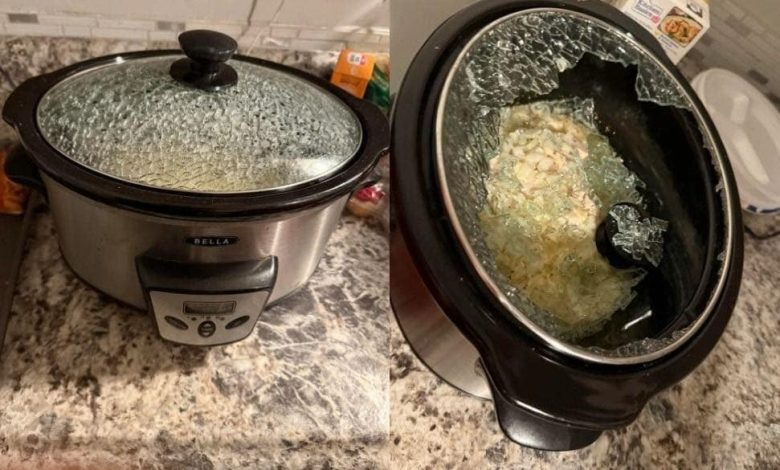
Why Some Ingredients Don’t Do Well in a Slow Cooker (And How to Fix Them)
Slow cookers are a blessing in the kitchen—you can start a meal in the morning and come home to a fragrant, ready-to-eat dinner. But they aren’t magic. Not every ingredient can handle hours of gentle heat.
If you’ve ever ended up with curdled cream, rubbery shrimp, or mushy pasta, you know what I mean. Here’s a guide to common slow cooker troublemakers—and simple ways to save your dish.
1. Dairy (Milk, Cream, Sour Cream, Soft Cheeses)
Issue: Prolonged heat can cause dairy to separate or curdle, leaving a grainy texture.
Solution: Stir in cream, sour cream, or soft cheese in the last 15–30 minutes of cooking. Evaporated milk or coconut milk are more stable alternatives for long cooking.
2. Seafood (Shrimp, Fish, Scallops)
Issue: Cooks very quickly; hours in a slow cooker makes it rubbery and bland.
Solution: Add during the final 15–30 minutes on HIGH, or cook separately and fold in just before serving.
3. Fresh Herbs (Basil, Parsley, Cilantro, Dill)
Issue: Extended cooking dulls flavor and can make herbs bitter.
Solution: Use dried herbs for cooking, then sprinkle fresh herbs on top just before serving.
4. Alcohol (Wine, Beer, Spirits)
Issue: Low, covered heat prevents alcohol from evaporating, leaving harsh flavors.
Solution: Simmer on the stove for 5–10 minutes first to burn off alcohol before adding to the slow cooker.
5. Rice (White, Brown, Instant)
Issue: Absorbs too much liquid, resulting in mushy or sticky grains.
Solution: Cook separately and stir in at the end, or use pre-cooked rice just before serving.
6. Pasta
Issue: Becomes soft and breaks down into mush over hours of cooking.
Solution: Cook al dente separately, then add during the last 15–30 minutes.
7. Leafy Greens (Spinach, Arugula, Chard)
Issue: Wilt excessively and lose texture and nutrients.
Solution: Add in the final 10–15 minutes for perfect results.
8. Tender Vegetables (Zucchini, Bell Peppers, Asparagus)
Issue: Turn mushy and flavorless if cooked too long.
Solution: Add in the last 30–60 minutes or sauté lightly before adding.
9. Lean Meats (Chicken Breast, Pork Loin)
Issue: Dry out easily without enough fat or connective tissue.
Solution: Opt for cuts like thighs or pork shoulder. If using lean breast, cook on LOW for 4–5 hours or less.
10. Raw Eggs
Issue: Cook unevenly, leaving rubbery or scrambled textures.
Solution: Cook separately or stir in beaten eggs at the very end.
11. Avocados
Issue: Heat turns them brown, bitter, and loses creaminess.
Solution: Add fresh as a garnish after cooking.
Ingredients That Work Well
- Tough Meats: Chuck roast, pork shoulder
- Root Vegetables: Carrots, potatoes
- Hardy Herbs: Bay leaves, thyme
Pro Tips
- Avoid lifting the lid—every peek adds 15–20 minutes to cook time.
- Fill the slow cooker ½–2/3 full for even cooking.
- Brown meats first for deeper flavor and less grease.
Bottom Line: Slow cookers are incredible tools, but timing matters. Respect the needs of delicate ingredients, and you’ll enjoy perfectly cooked meals every time.