The Beet Boost: What Eating Beets Does to Your Body, According to Doctors
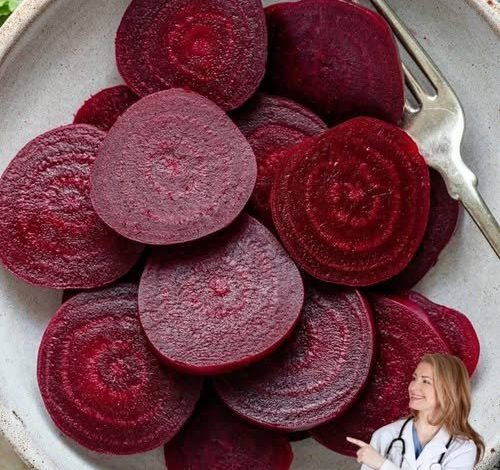
You’ve probably heard it said before: “Beets are a superfood.” While that phrase gets tossed around far too easily, beets genuinely earn their reputation. Packed with antioxidants, natural nitrates, fiber, and folate, they deliver real, science-backed benefits for heart health, brain function, and physical performance.
The Beetroot Boost: What Science Actually Shows
Let’s separate evidence from exaggeration. What do beets truly do for your body—and what claims don’t hold up?
🔬 7 Research-Backed Benefits of Beets
1. Helps Lower Blood Pressure—Fast
How it works:
Beets are rich in nitrates, which convert into nitric oxide—a compound that relaxes and widens blood vessels.
What studies show:
Research from 2013 found that drinking about 250 ml (8 oz) of beet juice lowered systolic blood pressure by 4–10 mmHg within 3–6 hours.
✅ Best for: Supporting blood pressure management (not a replacement for medication).
2. Improves Athletic Performance
How it works:
Nitric oxide increases how efficiently muscles use oxygen.
What studies show:
Cyclists who drank beet juice before a time trial performed nearly 3% better while using less oxygen. Similar effects have been seen in runners, swimmers, and older adults.
✅ Tip: Consume beets or beet juice 2–3 hours before exercise.
3. Supports Brain Function
How it works:
Enhanced nitric oxide production improves blood flow to the frontal lobe, which plays a key role in memory and decision-making.
What studies show:
Older adults who drank beet juice showed brain activity patterns closer to those of younger adults during cognitive tasks.
✅ Helpful for: Aging adults and people under heavy mental strain.
4. Reduces Inflammation and Oxidative Stress
How it works:
Betalains—the pigments that give beets their deep red color—act as powerful antioxidants.
What studies show:
Betalains may reduce markers of chronic inflammation associated with heart disease, arthritis, and certain cancers.
✅ Best forms: Raw, roasted, or lightly cooked beets retain the most betalains.
5. Promotes Digestive and Gut Health
How it works:
One cup of beets contains about 3.4 grams of fiber, which nourishes beneficial gut bacteria.
Why it matters:
A healthy gut supports immunity, mood, blood sugar balance, and metabolism.
✅ Bonus: Fiber helps you feel fuller longer and stabilizes blood sugar levels.
6. Supports the Body’s Natural Detox Systems
How it works:
Betalains activate liver enzymes involved in processing and eliminating toxins.
What research shows:
Animal studies suggest improved liver function, though human research is still emerging.
✅ Reality check: Beets assist your body’s detox systems—no juice cleanse required.
7. Delivers Essential Nutrients
Beets provide a meaningful dose of key vitamins and minerals:
- Folate (B9): 37% of daily needs — supports cell growth and pregnancy
- Manganese: 22% — supports metabolism and bone health
- Potassium: 11% — regulates fluid balance and nerve signals
- Iron: 6% — helps transport oxygen in the blood
⚠️ What Beets Don’t Do
| Claim | Reality |
|---|---|
| “Beets cure cancer” | No human evidence supports this claim. |
| “Beet juice burns fat” | Beets are low-calorie, but juice lacks fiber and may spike blood sugar. |
| “Beets flush the kidneys” | They support kidney health but don’t remove toxins directly. |
| “Beets guarantee glowing skin” | Skin health depends on overall lifestyle, not one food. |
🚨 Important Considerations
- Beeturia: Pink or red urine or stool affects up to 14% of people—harmless but surprising.
- Kidney stones: Beets are high in oxalates; moderation matters if you’re prone.
- Low blood pressure: Those with hypotension should consult a doctor before regular beet juice.
- Medication interactions: Beets may enhance the effects of blood pressure medications or PDE5 inhibitors.
💡 Best Ways to Enjoy Beets
- Raw: Grated into salads or blended into smoothies (highest nitrate content)
- Roasted: Toss with olive oil and herbs; roast at 400°F for 35–45 minutes
- Juiced: Pair with apple, ginger, or lemon for balance
- Pickled: Adds probiotics—watch sodium levels
- Soups: Classic borscht offers both nutrition and comfort
🌱 Pro tip: Combine beets with vitamin C–rich foods like citrus or bell peppers to improve nitrate absorption.
❤️ Final Takeaway: A Simple Root with Serious Benefits
Beets aren’t magical—but they are remarkably effective. You don’t need powders, supplements, or daily juice shots. Roast them for salads, blend them into dips, or enjoy them thinly sliced and crisped.
Your heart, brain, and muscles benefit quietly—and consistently.
True wellness isn’t about chasing trends.
It’s about eating real food, regularly, and with intention.