Air Recirculation in Your Car: What It Does and When to Use It
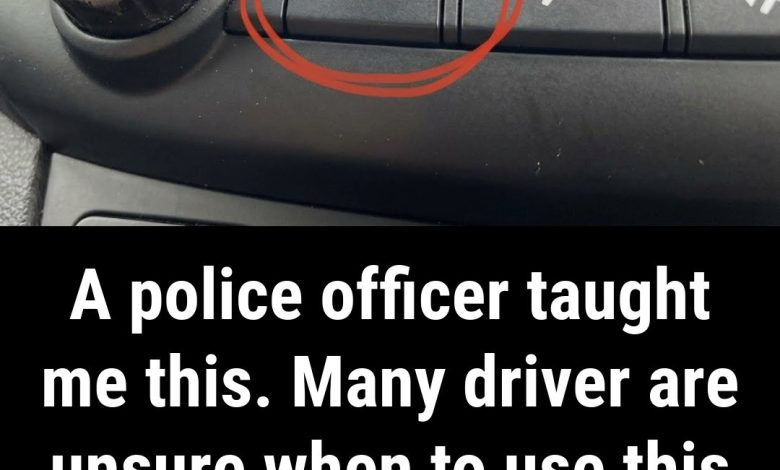
What the Air Recirculation Button Does
This control decides where your vehicle’s climate system gets its air. There are two settings:
Fresh Air Mode (button off):
Outside air is drawn in through vents near the windshield, filtered, then heated or cooled before entering the cabin.
Recirculation Mode (button on):
The system seals off outside intake and continuously reuses the air already inside the vehicle, circulating it through the filter in a closed loop.
5 Reasons to Use Recirculation Mode
1. Faster Cooling in Hot Weather
Instead of fighting blazing outdoor air, your AC cools the already-chilled cabin air, bringing temperatures down more quickly.
2. Keeps Smells and Pollution Out
Perfect for tunnels, traffic jams, farms, or smoky areas—recirculation blocks exhaust fumes and unpleasant odors from entering.
3. Reduces Allergy Triggers
Paired with a clean cabin filter, recirculation helps keep pollen, dust, and other airborne irritants outside.
4. Maintains Warmth in Winter
After windows are clear, recirculation helps retain heat by preventing cold air from constantly entering the cabin.
5. Can Slightly Improve Fuel Efficiency
Because the AC doesn’t work as hard cooling hot outside air, engine load is reduced during extended summer driving.
When to Turn It Off
Fogging Windows:
Moisture builds up in recirculated air, especially in cold or rainy conditions. Switch to fresh air and use defrost instead.
Stuffy or Sleepy Feeling:
Too much recirculation lowers oxygen levels and increases carbon dioxide, which can cause drowsiness.
Lingering Interior Odors:
Food, pets, or gym smells will hang around longer without fresh air coming in.
Quick Reference Guide
| Situation | Use Recirculation? | Reason |
|---|---|---|
| Extremely hot weather | Yes | Cools the cabin faster |
| Heavy traffic or tunnels | Yes | Blocks fumes and smog |
| High pollen days | Yes | Reduces allergens |
| Rainy or freezing weather | No | Prevents window fog |
| Long highway drives | No | Fresh air improves alertness |
| Strong smells inside | No | Flushes odors out |
Maintenance Reminder: Cabin Air Filter
Your cabin air filter plays a major role in air quality. Most manufacturers recommend replacing it every 12,000–15,000 miles. Even the best recirculation setting won’t help much if the filter is clogged or dirty.