Got hydrangeas? 8 urgent things you must do this June to keep them from wilting in summer heat
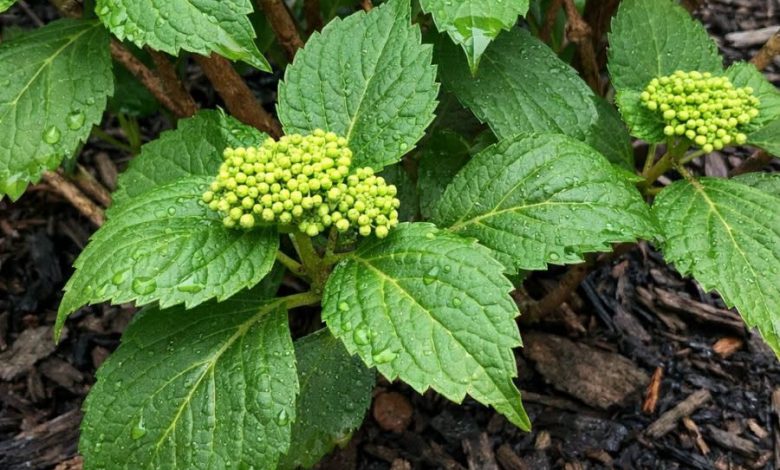
Welcome to the rewarding world of summer gardening! If you have hydrangeas growing in your yard, you already understand how stunning these plants can be. Their large, colorful blooms can completely transform a garden and become the highlight of the summer landscape.
However, hot summer weather can quickly challenge even the healthiest hydrangeas. Rising temperatures, intense sunlight, and dry soil can cause these beautiful shrubs to droop, lose moisture, and struggle. June is the perfect time to give them the care they need so they can stay strong and produce gorgeous blooms throughout the season.
Whether you are an experienced gardener or caring for hydrangeas for the first time, a few simple steps can make a huge difference. Here are 8 important things to do this June to help your hydrangeas flourish.
1. Identify Your Hydrangea Variety Before Pruning
Before reaching for your pruning tools, first determine what type of hydrangea you have. Different varieties have different blooming habits, and pruning at the wrong time can remove the flowers you have been waiting for.
Mophead and lacecap hydrangeas usually bloom on old wood, meaning their flower buds develop on branches from the previous growing season. Heavy pruning in June can accidentally remove those future blooms.
Panicle and smooth hydrangeas bloom on new wood, which grows during the current season, and they typically respond better to pruning later in the year. Knowing your plant type helps you avoid cutting away healthy flower buds.
Whenever pruning is needed, use clean, sharp tools to make smooth cuts and reduce stress on the plant.
2. Water Deeply Instead of Giving Frequent Light Sprinkles
Hydrangeas need plenty of moisture, especially during hot summer months. Their name even comes from a Greek word connected to water, which reflects how much they depend on consistent hydration.
Rather than watering lightly every day, focus on deep watering once or twice a week depending on rainfall and soil conditions. A thorough soak encourages roots to grow deeper, helping the plant handle heat and dry conditions more effectively.
Helpful watering tips:
- Water early in the morning so the plant has time to absorb moisture before the hottest part of the day.
- Avoid watering late in the evening, as damp foliage can encourage fungal issues.
- Use a soaker hose or drip system whenever possible to deliver water directly to the roots.
3. Add Mulch to Protect the Root System
Mulch works like a protective layer around your hydrangeas. It helps the soil stay moist, keeps roots cooler, and reduces competition from weeds.
Organic options such as shredded bark, pine needles, or wood chips work especially well. Apply a layer about 2–3 inches thick around the plant.
Be careful not to pile mulch directly against the stem. Leaving a small space around the base prevents excess moisture from causing rot or other problems.
Adding mulch in June prepares your hydrangeas for the hotter months ahead by creating a more stable growing environment.
4. Protect Hydrangeas From Harsh Afternoon Sun
Hydrangeas generally prefer gentle morning sunlight and protection from intense afternoon heat. Too much direct sun during the hottest part of the day can quickly cause leaves and flowers to wilt.
If your hydrangeas are planted in a sunny location, consider adding temporary shade with:
- Shade cloth
- Garden umbrellas
- Nearby taller plants that provide natural coverage
Creating afternoon protection can help reduce heat stress and keep flowers looking fresh longer.
5. Feed Your Plants With the Right Fertilizer
June is a great time to provide hydrangeas with extra nutrients to support healthy growth and flowering.
Choose a balanced, slow-release fertilizer and apply it according to the package directions. A balanced formula can help support strong roots, healthy foliage, and vibrant blooms.
Avoid overfeeding. Too much fertilizer can encourage excessive leaf growth while reducing flower production. A moderate feeding is usually all your hydrangeas need.
6. Avoid Unnecessary Summer Pruning
It can be tempting to tidy up your shrubs during summer, but too much pruning can do more harm than good.
During June, focus only on removing:
- Dead branches
- Damaged stems
- Diseased growth
- Spent flowers if needed for appearance
Avoid major shaping or cutting back healthy branches unless you are certain your variety benefits from summer pruning. Protecting existing buds means protecting your upcoming blooms.
7. Respond Quickly to Heat Stress
Even well-cared-for hydrangeas can struggle during extreme heat. Signs of stress include drooping leaves, wilting flowers, and brown or crispy leaf edges.
If your plant begins showing these symptoms:
- Give the soil a deep watering.
- Apply water slowly around the root area.
- Avoid spraying strong streams that disturb the soil.
- Provide temporary shade during peak heat.
A gentle mist around the leaves can offer temporary relief, but avoid wetting foliage during intense sunlight to reduce the risk of damage.
8. Give Extra Care to Hydrangeas Growing in Pots
Container-grown hydrangeas need more attention during summer because their soil dries out much faster than garden soil.
Make sure your pots have:
- High-quality moisture-retaining potting soil
- Proper drainage holes
- Protection from harsh afternoon sunlight
Placing containers where they receive morning sun and afternoon shade can make a big difference.
Grouping several potted plants together can also help create a slightly more humid environment, reducing moisture loss during hot weather.
With the right preparation and a little extra attention, your hydrangeas can stay healthy, hydrated, and full of beautiful summer color.