Put down the Q-tip. Here are 8 safe and easy ways to remove ear wax buildup
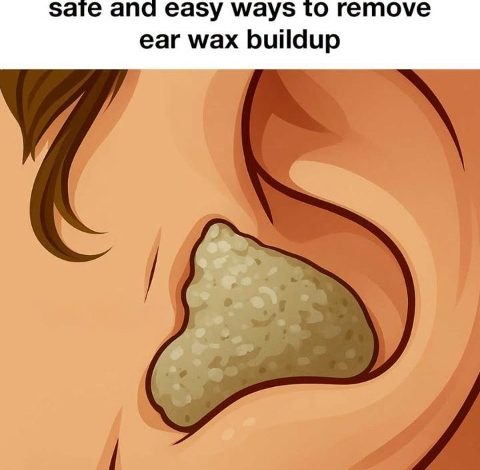
Have you ever had that strange sensation where your ear suddenly feels blocked, almost like you are underwater? Or maybe you have dealt with an annoying itch or tickle inside your ear that refuses to disappear. These experiences are surprisingly common.
Ear wax, also called cerumen, is a natural substance created by your body for an important purpose. It protects the ear canal by trapping dust, debris, and tiny particles before they can reach sensitive areas. It also contains properties that help protect against bacteria while keeping the delicate skin inside the ear properly moisturized.
Under normal circumstances, your ears clean themselves naturally. Everyday movements like chewing, talking, and moving your jaw help old wax gradually travel out of the ear canal. However, sometimes wax can build up faster than it leaves or become pushed deeper inside, leading to discomfort, pressure, and temporary hearing problems.
Why Cotton Swabs Can Cause More Problems
Many people reach for cotton swabs when their ears feel dirty, but inserting them into the ear canal can actually create bigger issues.
Instead of removing wax, cotton swabs often push it farther inward, where it can become packed together and difficult to remove. This buildup may cause blocked hearing, discomfort, ringing sensations, or irritation. The ear canal is also delicate, and scratching the skin can increase the chance of inflammation or infection.
For this reason, many healthcare professionals recommend avoiding putting cotton swabs inside the ear canal.
Signs You May Have Too Much Ear Wax
It can be difficult to know whether you are experiencing normal ear sensations or a true wax blockage. Common signs of excessive buildup may include:
- A plugged or full feeling in the ear
- Reduced or muffled hearing
- Ear discomfort or pressure
- Ringing, buzzing, or humming sounds
- Occasional dizziness or irritation
- A persistent tickling sensation
When wax becomes dry and hardened, it may stop moving naturally and require gentle removal.
When Professional Help Is the Better Choice
Home methods are not appropriate for everyone. If you experience severe ear pain, drainage, signs of infection, sudden hearing changes, or a history of ear surgery or a damaged eardrum, it is best to seek medical guidance.
Healthcare professionals, including ear specialists, have specialized equipment and techniques that can safely remove stubborn buildup without risking injury.
Gentle Methods Often Used for Ear Wax Care
For people with healthy ears and minor wax buildup, some gentle approaches may help soften wax and make removal easier.
1. Saline Solution
A simple saltwater mixture can help soften hardened wax. Combine salt with warm water until dissolved, then use a few drops in the ear while your head is tilted. Allow it to sit briefly before letting the liquid drain out.
2. Olive Oil
A few drops of body-temperature olive oil may help lubricate and soften dry wax. Let it sit for several minutes before allowing it to drain naturally.
3. Hydrogen Peroxide Drops
A diluted hydrogen peroxide solution is commonly used in some ear drops because it can help loosen wax. A bubbling or fizzing sound is normal as it reacts with the buildup. Use only as directed and avoid overuse.
4. Baking Soda Solution
A mild baking soda mixture can help soften wax deposits. Apply a small amount carefully and allow it to work before gently rinsing if appropriate.
5. Warm Water Rinsing
A gentle rinse using comfortably warm water may help remove softened wax. Water temperature is important—extremely hot or cold water can cause discomfort or dizziness.
6. Glycerin
Glycerin works as a moisturizer and lubricant, helping soften dry wax so it can move out more easily.
7. Vinegar and Alcohol Mixture
A mixture of vinegar and rubbing alcohol is sometimes used to help manage moisture in the ear canal. This method should only be considered when the eardrum is healthy and there are no signs of irritation or infection.
8. Store-Bought Ear Drops
Pharmacies offer specially designed ear drops that contain ingredients intended to soften and break down ear wax. Always follow the package instructions carefully.
Important Safety Tips for Ear Cleaning
When caring for your ears, keep these precautions in mind:
- Never insert objects like pins, clips, or other tools into the ear canal.
- Use ear drops only according to instructions.
- Stop if you experience pain, irritation, or worsening symptoms.
- For everyday cleaning, simply wipe the outside of your ears with a soft, damp cloth.
Keeping Your Ears Healthy
Ear wax plays an important protective role, but excessive buildup can become uncomfortable and affect hearing. Gentle care, avoiding harmful cleaning habits, and knowing when to seek professional help are the best ways to support healthy ears.
Taking care of your ears does not require aggressive cleaning. In many cases, less is more—protecting the natural cleaning process while addressing problems when they appear is the safest approach.
This information is for general educational purposes only and is not intended to provide medical advice, diagnosis, or treatment.