Why White Stuff Comes Out of Chicken While Cooking
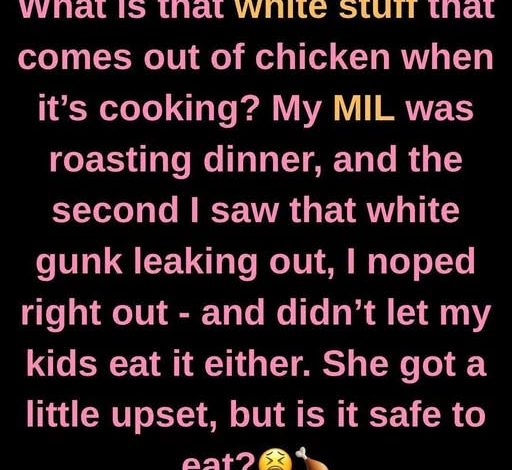
Why Chicken Releases a White Substance During Cooking
If you’ve ever cooked chicken and noticed a white, jelly-like substance collecting on the surface, there’s usually no cause for concern. Although it may look unusual, it’s a completely natural part of the cooking process.
What Causes the White Substance?
The white material is made up mostly of water and proteins that are naturally present in chicken.
As the meat heats, its muscle fibers contract and force moisture out toward the surface. That moisture contains proteins—primarily albumin—which coagulate when exposed to heat. This causes them to become white, much like egg whites transform from transparent to opaque during cooking.
This reaction is common whether you’re baking, roasting, grilling, air-frying, or pan-searing chicken.
Is It Safe to Eat?
Yes. The white residue is entirely safe to consume.
It’s simply cooked protein mixed with natural juices released from the meat. While some people wipe it away for a more attractive presentation, it doesn’t mean the chicken is spoiled or improperly cooked.
In many cases, the residue becomes more noticeable when the chicken is cooked until fully done or slightly beyond.
When Is It a Warning Sign?
The white protein itself is normal, but other changes can indicate that raw chicken has gone bad. Throw the chicken away if you notice:
- A sour, rancid, or ammonia-like smell
- A slippery or sticky surface before cooking
- Gray, green, or yellow discoloration
- An off or unpleasant taste after cooking
- Raw meat that feels unusually soft or mushy
If you’re unsure whether chicken is still fresh, it’s best to avoid eating it.
How to Minimize the White Residue
While you can’t always prevent it completely, these steps can reduce the amount that appears:
- Cook over medium rather than excessively high heat.
- Avoid cooking longer than necessary.
- Brine the chicken beforehand to help it retain moisture.
- Pat the surface dry before placing it in the pan or oven.
- Leave enough space between pieces so they cook evenly.
- Allow the chicken to rest for a few minutes before serving.
A meat thermometer is the most reliable way to avoid overcooking. Chicken is considered safe once the thickest part reaches an internal temperature of 165°F (74°C).
Recommended Internal Temperatures
| Chicken Cut | Safe Minimum Temperature |
|---|---|
| Chicken breast | 165°F (74°C) |
| Chicken thighs | 165°F (74°C) |
| Chicken wings | 165°F (74°C) |
| Ground chicken | 165°F (74°C) |
| Whole chicken | 165°F (74°C) |
For the most accurate reading, insert the thermometer into the thickest section of the meat without touching the bone.
Final Thoughts
Seeing a white substance on cooked chicken is a normal result of proteins and moisture being pushed to the surface during cooking. It’s harmless, edible, and something both home cooks and professional chefs encounter regularly. As long as the chicken has been stored properly and cooked to a safe internal temperature, there’s no need for concern.