My neighbor showed me a simple trick for removing green algae from siding with almost no effort, and it works like a charm
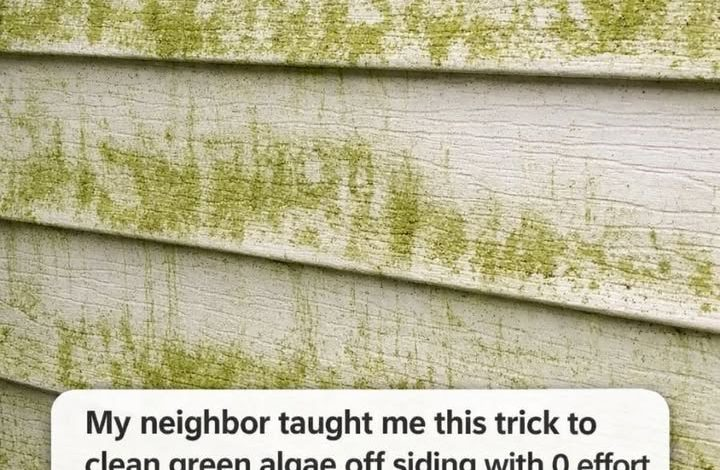
How to Remove Green Algae from Siding with Less Scrubbing
Green algae can quickly make exterior siding look neglected, particularly on walls that receive little sunlight or stay damp after rain. Fortunately, you don’t always need aggressive scrubbing or a pressure washer to improve the appearance of algae-stained siding.
A simple homemade cleaning solution, combined with a garden sprayer and a thorough rinse, can handle light to moderate buildup with relatively little effort.
1. Try a Gentle Spray-and-Rinse Approach
Rather than scrubbing the siding by hand, apply a cleaning mixture and allow it time to loosen the algae. A pump-style garden sprayer makes it possible to cover larger sections while keeping your feet safely on the ground.
For delicate siding, avoid excessive pressure that could damage the finish or force water behind the panels.
2. Understand Why Algae Appears
Algae favor moisture and limited sunlight. Siding located beneath trees, along shaded walls, or on areas that remain damp after rainfall is particularly susceptible.
Dirt and moisture that collect on the surface provide favorable conditions for algae spores to establish and spread.
3. Gather the Cleaning Ingredients
For a mild homemade solution, combine:
- 1 gallon warm water
- 1 cup white distilled vinegar
- 1 tablespoon liquid dish soap
The vinegar helps loosen and treat algae buildup, while the dish soap helps the mixture spread across the siding.
4. Test the Solution First
Before treating the entire exterior, apply a small amount of the mixture to an inconspicuous section. This is especially important for painted, coated, or specialty siding.
Check the area after rinsing and drying to make sure there is no discoloration or change to the finish.
5. Apply the Cleaner
Pour the prepared solution into a garden pump sprayer. Work in manageable sections and thoroughly wet the affected siding.
Applying the solution from the lower portions upward can help reduce visible streaking during application. Avoid spraying directly into seams, vents, windows, or openings.
6. Give It Time to Work
Allow the solution to sit for approximately 20–30 minutes. Keep an eye on the surface so the cleaner does not dry completely.
Heavily affected areas may need another application rather than aggressive scrubbing.
7. Rinse the Siding
Use an ordinary garden hose with a spray nozzle to rinse the surface thoroughly. Start at the top and work downward, allowing loosened dirt and algae to flow away.
If some discoloration remains, repeat the treatment rather than immediately resorting to high-pressure washing.
8. Protect Nearby Plants and Pets
Water nearby plants, flowers, and grass before cleaning to help dilute any runoff they may encounter. Keep pets and children away from the work area while the solution is being applied and until surfaces have been rinsed and the area is dry.
9. Maintain the Clean Surface
How long the siding stays clean depends on humidity, rainfall, shade, and surrounding vegetation. Check shaded areas periodically and treat new growth before it becomes heavily established.
10. Reduce Future Algae Growth
A few maintenance habits can help keep algae from returning quickly:
- Trim branches and shrubs that block sunlight and airflow.
- Keep gutters and downspouts clear.
- Make sure downspouts direct water away from the siding.
- Repair leaking gutters, outdoor faucets, or other sources of persistent moisture.
- Prevent water from repeatedly collecting against exterior walls.
11. Know When to Use a Different Method
For extensive or long-standing growth, a mild vinegar solution may not provide enough cleaning power. A properly formulated exterior siding cleaner may be more appropriate.
If the siding is delicate, heavily stained, damaged, or difficult to reach safely, professional exterior cleaning can help avoid accidental damage while achieving a more thorough result.