The Secret to Perfect Hard-Boiled Eggs Every Time (So They’re Easy to Peel)
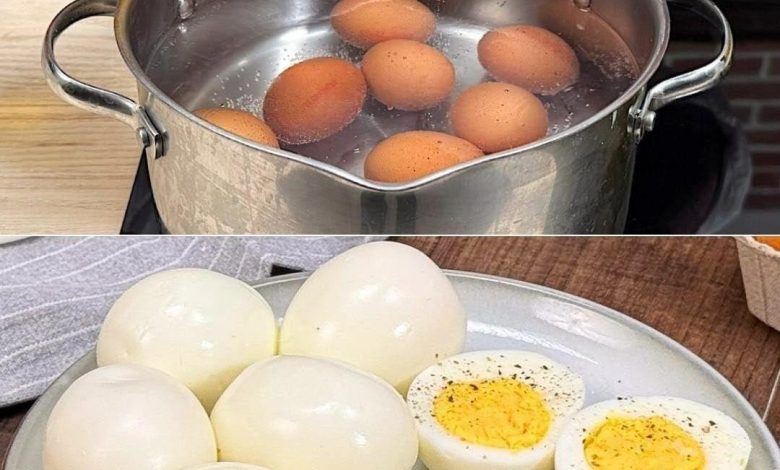
Whether you’re preparing a quick, protein-rich snack or making the base for a classic egg salad, learning how to boil eggs properly is an essential kitchen skill. Many people deal with stubborn shells or oddly colored yolks, but these problems are easy to avoid with the right method. With a few simple techniques, you can consistently get eggs that peel easily and look great every time.
The Key to Perfect Hard-Boiled Eggs (That Peel Easily)
A well-cooked hard-boiled egg should have a firm yet tender white and a smooth, bright yellow yolk. Just as important, the shell should come off cleanly without tearing the egg. The secret lies in controlling temperature and timing carefully.
Tips for Reliable Results
Getting it right starts before cooking even begins. These simple tips help prevent common mistakes and make peeling much easier.
Choose slightly older eggs
Eggs that have been in the fridge for about a week are actually better for boiling. Fresh eggs tend to stick to the shell, while older ones peel more easily due to a higher pH level.
Add vinegar to the water
A tablespoon of white vinegar can help the egg whites set quickly if a shell cracks. It may also help soften the shell slightly, making peeling easier.
Avoid sudden temperature changes
Putting cold eggs straight into hot water can cause them to crack. Let them sit at room temperature for 10–15 minutes before cooking for more even results.
Timing Matters
How long you cook your eggs determines the texture inside. Keeping a close eye on the clock is important, since even a small difference can change the outcome. Overcooking can lead to a greenish ring around the yolk, which happens when the egg is exposed to too much heat.
- Medium eggs: 8–9 minutes for a fully set yolk
- Large eggs: 9–10 minutes for a firm center
- Slightly creamy yolk: About 8 minutes
Don’t Skip the Ice Bath
As soon as the eggs are done, transfer them to a bowl of ice water. This step is crucial. Rapid cooling stops the cooking process immediately and prevents overcooking. It also causes the egg to shrink slightly inside the shell, making it much easier to peel.
Hot Water or Cold Start?
There’s ongoing debate about whether to start eggs in boiling water or cold water. For the most consistent results, starting with cold water is the better choice.
Placing eggs in a pot and covering them with cool water allows them to heat gradually. This gentle increase in temperature helps prevent cracking and ensures even cooking. Dropping eggs into already boiling water can cause them to bounce, crack, or cook unevenly.
Final Thought
Perfect hard-boiled eggs come down to a few key details: using the right eggs, managing temperature, timing carefully, and cooling them quickly. With this approach, you’ll avoid common issues and get smooth, easy-to-peel eggs every time.