The best sleep position for feeling great the next day, according to experts
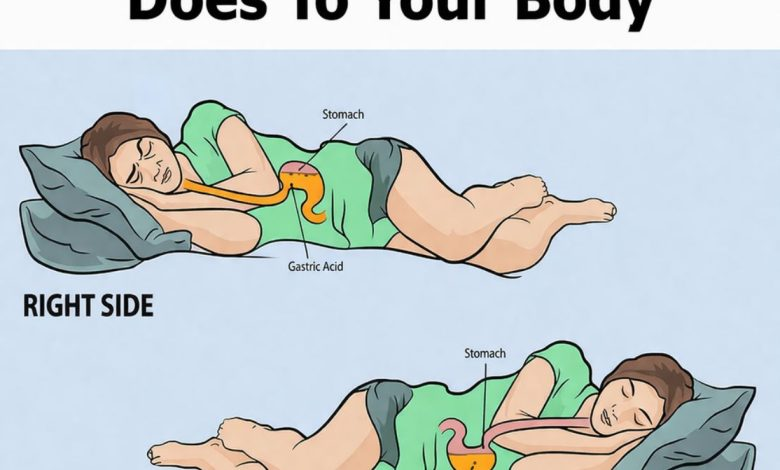
Improving the way you sleep can make a huge difference in how you feel each morning. Many people wake up after a full night’s rest only to deal with neck stiffness or back pain—and for some, this happens regularly. One common reason is sleeping on the stomach. While it may feel comfortable at first, it often leads to strain that shows up as discomfort the next day.
Research shows that stomach sleeping isn’t ideal for your body. It places extra pressure on the spine, chest, and nerves, and can even affect breathing. It may also raise your heart rate, making it harder to reach deep, restorative sleep. Because sleep position plays a role in both physical and mental health, experts often recommend switching to side sleeping as a healthier option.
Why Sleeping on Your Side Helps
Changing to a side position can significantly improve comfort and alignment. It helps keep the spine in a more natural, straight position, reducing pressure on joints and surrounding tissues.
Side sleeping is also beneficial for people who snore or experience sleep apnea, as it helps keep airways open. It’s especially helpful during pregnancy, as lying on the left side can support better circulation and oxygen flow.
Setting Up Your Bed the Right Way
Staying comfortable on your side often requires a bit of support. Using a body pillow can help stabilize your position and support your upper arm and legs. Placing a pillow between your knees can also help keep your hips aligned and reduce strain.
Your head position matters just as much. It should stay level with the mattress to avoid putting stress on your neck. Using too many pillows can push your head too high, leading to discomfort. While it might feel relaxing to fall asleep propped up, it can create unnecessary strain once your muscles fully relax during sleep.
Since the head weighs around 13–15 pounds, poor positioning can put pressure on the neck joints. Over time, this may contribute to stiffness or longer-term joint issues.
Choosing the Right Mattress
If you find yourself tossing and turning, your mattress might not be providing enough support. A mattress that is too soft or worn out can reduce sleep quality. Ideally, it should be firm enough to support your body while still offering some cushioning.
Even when side sleeping, avoid curling into a tight ball. A very curled position can make breathing more difficult by compressing the diaphragm. Try to keep your body relatively straight, and avoid tucking your arms underneath you, which can restrict circulation and cause numbness.
The Bigger Picture: Health and Sleep
Sleep affects much more than just how your muscles feel. During deep sleep, your body releases hormones that help repair tissues and maintain overall health. Missing out on these deeper stages can lead to issues like weakened immunity, weight gain, or high blood pressure.
Lack of quality sleep can also impact your mood and mental well-being. Physical discomfort often carries over into how you feel emotionally, making it harder to stay positive and energized.
Reducing Stress Before Bed
Restlessness at night is often linked to stress. Creating a calming routine before bed can help your body settle into a deeper, more consistent sleep. Instead of using your phone, consider reading, taking a warm bath, or simply relaxing your mind.
Letting go of daily stress before bedtime can help you stay in a comfortable position throughout the night and wake up feeling refreshed.
Final Thoughts
While side sleeping is often the most recommended position, comfort is still key. If you prefer sleeping on your back, you can support your spine by placing a pillow under your head and another under your knees.
Small changes in how you sleep—and how your bed is set up—can make a big difference. With the right posture and support, you can wake up feeling rested, comfortable, and free from unnecessary aches.