Here’s What You Need to Know About Food Expiration Dates
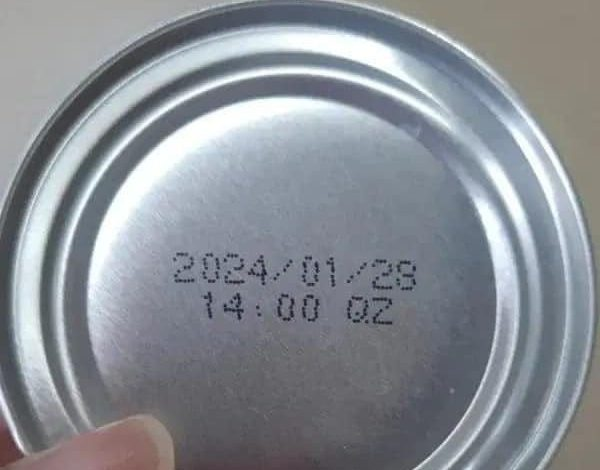
Understanding Canned Food Dates: What “Best By” Really Means
The labels on canned foods can be misleading—especially the “Best By” date. Many assume it marks the end of a food’s safety window, but in truth, it’s more about quality than safety. This guide breaks down what those dates mean and how you can safely enjoy canned foods like corn, green beans, and tuna well beyond their printed dates.
What Does “Best By” Really Mean?
A “Best By” date is not a hard expiration. Instead, it indicates how long the product is expected to remain at its best in terms of flavor, texture, and appearance. When stored correctly, many canned goods remain perfectly safe to consume long after this date has passed.
In short, “Best By” refers to optimal quality—not safety. Food may still be safe and edible even if it’s past that date.
How Long Do Canned Foods Last?
Canned Corn
Canned corn, when stored properly, can be eaten up to two years past its “Best By” date. Store it in a dry, cool place, and make sure the can isn’t damaged. While flavor and texture might fade slightly over time, it usually remains safe to consume.
Canned Green Beans
These can also hold up well for about two years beyond the printed date, assuming no damage to the can. Like corn, the taste may change subtly over time, but it’s still safe if the can is intact and stored properly.
Canned Tuna
Tuna is especially long-lasting. With good storage conditions, it can remain safe for three to five years after its “Best By” date. Though the texture or taste might decline slightly over time, it’s generally fine to eat if there’s no sign of spoilage.
How to Tell If Canned Food Is Still Safe
Before eating any canned product—regardless of the date—follow this checklist:
- Inspect the can’s exterior. Avoid any cans that are dented, bulging, rusted, or leaking.
- Check inside after opening. If there’s a strange odor, discoloration, or unusual texture, don’t take chances—throw it out.
- When unsure, err on the side of caution. If the can seems suspicious in any way, it’s better to discard it than risk foodborne illness.
Storage Tips for Long-Lasting Canned Goods
To make sure your canned goods stay fresh and safe for as long as possible, follow these simple storage practices:
- Keep cans in a cool, dry, and dark area. Avoid places with extreme heat or humidity like near a stove or inside a garage.
- Store cans upright. This helps preserve the seal and prevents leaks or corrosion.
- Rotate your stock. Put newer cans in the back and move older ones to the front so you use them first.
- Handle with care. Dropping or damaging cans can compromise their seal, so avoid denting them.
- Refrigerate after opening. Once opened, transfer any leftover food to a separate container and refrigerate. Never store food in the opened can itself.
By understanding date labels and following smart storage habits, you can safely enjoy canned foods well beyond their “Best By” dates—helping you save money, reduce waste, and make the most of your pantry.
Would you like this turned into a printable checklist or infographic?