Can You Guess the Purpose of This Everyday Tool? The Cast Iron ‘Spoon’ Used to Make Bullets at Home
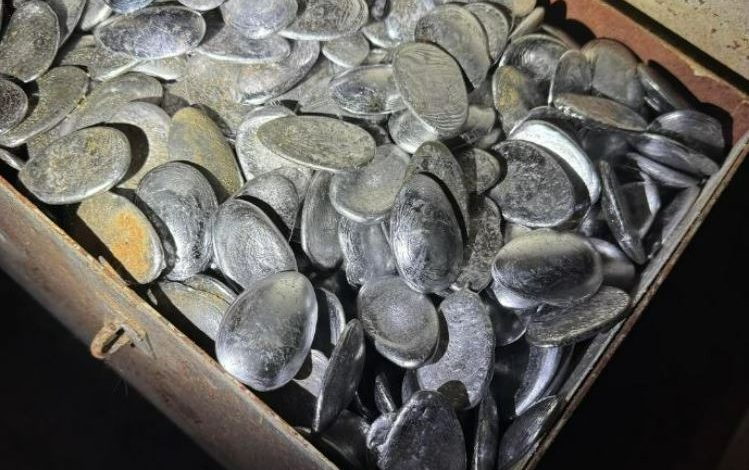
Have you ever spotted a heavy, odd-looking object in an antique shop and wondered what it was actually used for? Sometimes, items that resemble simple kitchen tools carry a much deeper story—one rooted in survival, ingenuity, and self-reliance. A perfect example is a dense, dark iron tool often mistaken for an old-fashioned cooking spoon.
More Than a Kitchen Utensil
At first glance, it looks like something meant for stirring soups or scooping grain. In reality, this cast-iron implement served a much tougher role. It belonged in a home workshop, not the kitchen, and was used to melt metal over an open hearth or campfire.
Its True Purpose
During the 1800s and early 1900s, families couldn’t rely on stores for everything they needed. They had to make do with what they had. This tool—commonly known as a lead ladle or bullet-casting spoon—was a small but vital symbol of independence.
Rather than preparing food, it functioned as a portable melting pot for scrap metal, most often lead. Once melted, the metal could be poured into molds to create essential items such as:
- Ammunition for hunting
- Fishing weights
- Small replacement parts for farm equipment
How This “Home Foundry” Worked
This tool perfectly captured the blend of household practicality and mechanical skill common at the time. The process was simple but required care:
- Setup: Scrap metal was placed into the ladle’s deep bowl.
- Heating: The ladle was held over a flame until the metal liquefied.
- Casting: The molten metal was slowly poured into molds to form usable objects.
For many families, hunting wasn’t recreational—it was necessary for survival. Being able to make ammunition at home could mean the difference between eating and going hungry.
Modern Safety Concerns
While the history is fascinating, working with lead today is extremely hazardous. Lead fumes are toxic, and modern users must rely on protective gear like gloves, respirators, and proper ventilation—precautions that earlier generations simply didn’t have.
Lessons Passed Down
Children didn’t learn solely from books; they learned by working alongside adults. Activities like metal melting taught important life skills:
- Respect for fire and dangerous tools
- Careful handling of hot materials
- Independence when store-bought goods weren’t an option
A Skill Revived
As mass production made supplies cheaper and easier to obtain, tools like these fell out of everyday use by the mid-20th century. Today, interest in traditional craftsmanship is growing again:
- Historical reenactors use them to demonstrate frontier life
- Artisans incorporate them into metalwork and jewelry
- Homesteaders value the satisfaction of making things by hand
How to Spot One in the Wild
If you come across one at a flea market or antique store, here’s what to look for:
- A deep, rounded bowl designed to hold molten metal
- A long handle to keep hands away from heat
- A small pouring notch for controlled casting
- A rough, heavy, sand-cast finish rather than a polished surface
The Spirit Behind the Tool
This modest object represents a powerful idea: If something is needed, it can be made. Long before online shopping or convenience stores, success depended on skill, reuse, and determination.
Even though few people melt lead at home today, that same spirit lives on through gardening, woodworking, sewing, and other hands-on crafts. These practices remind us that creativity, effort, and self-reliance never go out of style.
The past isn’t just a record of what was—it’s a collection of tools and lessons waiting to be rediscovered. The next time you encounter an old, unfamiliar object, take a closer look. Its story may be far richer than it first appears.