Cashews: Busting Myths and Knowing the Facts
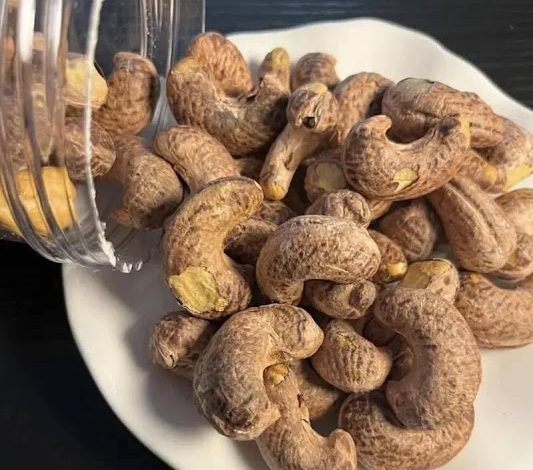
Before you toss out your cashews, take a breath. Despite alarming headlines, these nuts are far from harmful for most people. Cashews are rich in nutrients, supportive of heart health, and offer several proven benefits. As with any food, they can cause problems for a small number of individuals—particularly those with allergies or certain medical concerns.
🌰 Cashews: Separating Science from Scare Tactics
Here’s what nutrition experts actually agree on:
✅ Why Cashews Belong in a Healthy Diet
Cashews deliver impressive nutrition in a small package:
- Heart-healthy monounsaturated fats that support cardiovascular function
- Magnesium for muscle movement, nerve signaling, and bone strength
- Copper and zinc to aid immunity and skin health
- Plant-based protein and fiber that promote fullness and digestion
- Antioxidants that help calm inflammation
📊 Studies consistently show that regular nut consumption—including cashews—is linked to improved heart health, better blood sugar control, and healthier body weight when portions are reasonable.
⚠️ When Cashews May Be a Problem (Uncommon Situations)
1. Nut Allergies (Most Serious)
- Why: Cashews are tree nuts, and allergies can be severe.
- Symptoms: Hives, swelling, nausea, breathing issues, or anaphylaxis.
- What to do: Avoid entirely if allergic and read labels carefully—cashews often appear in sauces, dairy-free products, and prepared foods.
2. Digestive Sensitivity
- Why: Their fat content and FODMAP compounds can cause bloating or discomfort for people with IBS.
- Solution: Limit portions to ¼ cup or less and eat them alongside other foods.
3. Kidney Stone Risk
- Why: Cashews contain oxalates, which may contribute to calcium-oxalate stones in susceptible individuals.
- Solution: Stay well hydrated and limit intake if your healthcare provider recommends it.
4. Weight Gain Concerns
- Why: Cashews are calorie-dense (roughly 160–180 calories per ¼ cup).
- Reality: Research shows nut eaters often feel fuller and may absorb fewer calories overall.
- Best practice: Enjoy about one small handful (around 18 cashews).
❌ Common Cashew Myths—Cleared Up
- “Raw cashews are poisonous” → Technically true in nature, but all store-bought “raw” cashews are heat-treated and safe to eat.
- “Cashews cause acne” → No solid evidence; sugar and dairy are far more likely triggers.
- “Cashews raise cholesterol” → Incorrect. Their healthy fats can actually help lower LDL (“bad”) cholesterol.
❤️ Final Takeaway
For the vast majority of people, cashews are nutritious, safe, and beneficial.
Warnings claiming “doctors say cashews are dangerous” are typically exaggerated or misleading. Unless you have a nut allergy, a history of kidney stones, or digestive sensitivity, there’s no medical reason to avoid them.