Most People Can’t Spot The Difference Between These, But It’s Really Important
In a marketplace overflowing with choices, it’s easy for everyday details to slip under the radar—especially when it comes to products we assume are consistent. A recent legal dispute between spice giant McCormick & Co. and smaller competitor Watkins Inc. has cast a spotlight on how packaging can influence perception—and potentially mislead.
The Dispute Over Pepper Tins
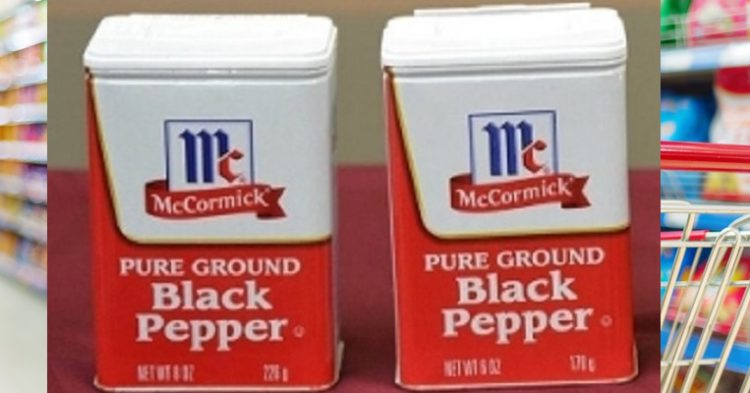
At the heart of the conflict is ground black pepper. McCormick, a well-known brand in most kitchens, has been accused of shrinking the amount of pepper in its tins by 25%. What once held around 8 ounces now contains closer to 6 ounces. The twist? The packaging size has remained virtually unchanged, giving the impression that nothing has changed.
Watkins Inc. took issue with this, accusing McCormick of using the same-sized containers to disguise the smaller quantity. Meanwhile, Watkins offers a visibly smaller tin that holds the same amount of pepper as McCormick’s new packaging. They claim McCormick’s approach is misleading and runs afoul of fair marketing practices and consumer protection laws.
What It Means for Shoppers
For consumers, the issue comes down to perception and transparency. Many shoppers choose McCormick assuming they’re getting more pepper for their money, especially when comparing the tin sizes side by side. In reality, both products contain the same quantity—but only Watkins reflects that with a more proportionate container.
McCormick, in its defense, argues that the weight is clearly printed on the label and that buyers have all the information needed to make informed choices. Still, a growing number of consumers feel duped, leading to a separate class-action lawsuit claiming deceptive packaging.
A Lesson in Brand Trust
This case is more than a dispute over spices—it’s a broader commentary on brand responsibility. For companies, long-standing reputations can be undermined by even subtle tactics that appear to prioritize profit over transparency. McCormick’s packaging decision may have saved money, but it has sparked criticism and raised questions about the company’s integrity.
As the lawsuits make their way through the courts, consumers are left with a cautionary tale: always read the fine print. A product’s appearance can be misleading, and not every container tells the full story at a glance.
Ultimately, this pepper tin controversy reinforces the value of trust in business. In a competitive market, transparency isn’t just a virtue—it’s a necessity.