Stale Bread: How to Tell When It’s Safe to Eat and When to Throw It Away — A Must-Know Guide for Home Cooks
We’ve all been there. You grab the bread bag, feel a loaf that’s gone stiff, and bite into a crust that’s suddenly tough. Instantly, the question hits:
“Is this still okay to eat… or is it trash?”
The good news? Hard bread usually isn’t bad bread. In most cases, it’s simply lost moisture. That means it’s still safe—and often incredibly useful in the kitchen.
Once you understand the difference between bread that’s stale and bread that’s spoiled, you can save money, reduce waste, and turn a rock-hard loaf into something everyone loves.
What Does “Stale” Really Mean?
Staling isn’t decay—it’s chemistry. As bread sits, moisture evaporates and starches recrystallize, leaving it dry and firm instead of soft.
Signs your bread is stale but safe:
- No visible mold
- No strange or sour odor
- No sticky or slimy feel
If it’s only dry, it’s perfectly fine to eat. Many chefs actually prefer stale bread for certain recipes.
When It’s Safe to Eat (and Easy Ways to Revive It)
If your bread feels hard but smells normal—like yeast or flour—and has no spots, it’s just stale. Try one of these methods to bring it back to life:
| Method | How It Works | Best Use |
|---|---|---|
| Toasting | Slice and toast until crisp | Sandwiches, spreads |
| Oven Refresh | Lightly sprinkle with water, wrap in foil, bake at 180°C (350°F) for 10–15 minutes | Whole loaves |
| Microwave Steam | Wrap a slice in a damp paper towel, microwave 10–15 seconds | Fast softening (eat right away) |
| Slice & Freeze | Cut before it hardens completely and freeze | Long-term storage |
When It’s Time to Throw It Away
Always put safety first.
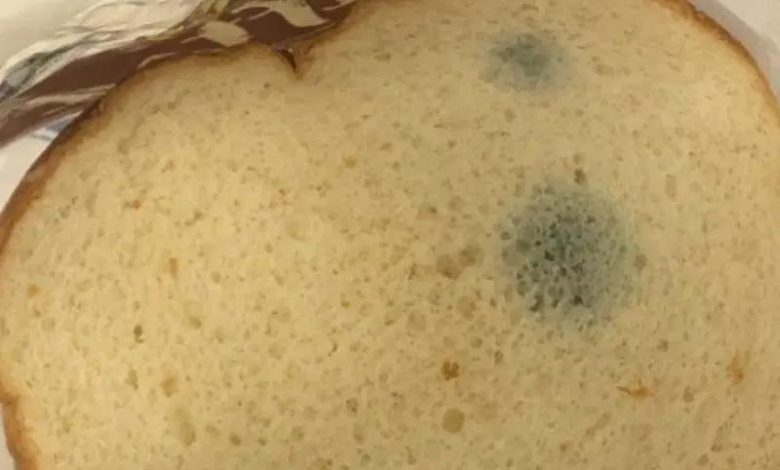
Discard bread immediately if you see or smell:
- Fuzzy patches (white, green, or black mold)
- Musty or sour odors
- Slimy or damp textures
- Dark specks forming on the surface
Never cut away mold and eat the rest. Bread is porous, and mold spreads beneath the surface long before you can see it.
Why Slightly Stale Bread Is Better for Cooking
Dry bread is actually ideal for many dishes because it absorbs liquids without turning to mush:
- French toast: Soaks up custard while staying firm
- Bread pudding: Holds together in creamy mixtures
- Stuffing: Absorbs broth and herbs beautifully
- Croutons: Bakes up extra crisp
- Panade: Keeps meat dishes tender and moist
Smart Storage to Reduce Waste
Use these tips to extend your bread’s life:
- Room temperature: Store in a bread box or paper bag for 3–5 days
- Freezer: Best option for storage up to 3 months
- Skip the fridge: Cold temperatures speed up staling
- Avoid plastic on the counter: Traps moisture and encourages mold
Final Thought: Good Cooking Starts With Using What You Have
Great meals don’t always require perfect ingredients. Sometimes all you need is:
“A dry loaf, a little imagination, and the decision not to waste it.”
Turning stale bread into warm pudding or golden croutons isn’t just cooking—it’s making something special out of what you already have.