The Detect-O-Ray: What It Was Before Ring
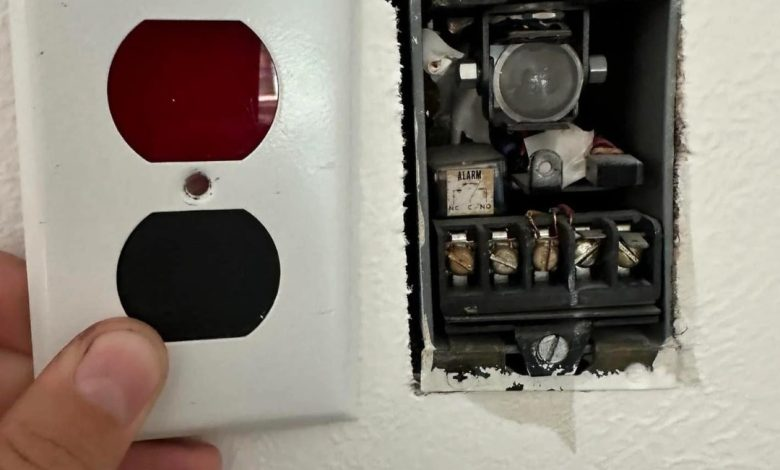
Long before smart doorbells, mobile alerts, and Wi-Fi cameras, home security depended on inventive devices like the Detect-O-Ray. First appearing in the early 1940s, it was among the earliest photoelectric security systems made for residential use—a true trailblazer in protecting homes.
You can think of the Detect-O-Ray as an early ancestor of today’s motion detectors. Instead of microchips or software, it relied entirely on analog engineering—a clever solution from a time when household technology was just beginning to reshape everyday living.
How the System Operated
The setup was straightforward but surprisingly powerful, built around three essential components:
- Transmitter: Projected a beam of light, either visible red or invisible infrared.
- Receiver: Positioned directly across from the transmitter to detect the beam.
- Alarm Unit: As long as the beam remained unbroken, the system stayed silent. Once interrupted, a bell or buzzer immediately sounded.
There were no floor sensors or physical wires to trip—just a beam of light acting as an unseen barrier. For homeowners in the 1940s, it felt futuristic: quiet, discreet, and remarkably advanced.
Where Detect-O-Ray Units Were Installed
These devices were commonly placed anywhere motion needed to be detected, including:
- Long hallways or basement staircases
- Garages and rear entrances
- Areas near safes or valuable items
- Retail storefront doorways
The units are compact, roughly 2×3 inches, housed in black rectangular casings with a red-tinted lens. They were typically mounted 5 to 7 feet above the floor and always worked in pairs. If you spot one today, its matching unit is often directly opposite—sometimes concealed beneath paint or old wallpaper.
The Science Behind the Light Beam
Detect-O-Ray relied on the photoelectric effect—the same basic principle used in solar panels and automatic sliding doors. No internet, no processors—just light, electricity, and a clear line of sight. As vintage technology historian Dr. Elena Moss explains:
“It functioned like an invisible fence inside the home—silent, dependable, and impressively effective.”
Why These Vintage Systems Still Matter
Finding a Detect-O-Ray today is more than discovering old hardware; it’s a lesson in early innovation:
- Home automation isn’t new: People have been securing and automating homes for nearly 100 years.
- Strong ideas endure: While tools change, the purpose—protecting what matters—remains the same.
- Design history: These systems are mid-century artifacts that continue to inspire modern designers.
If you’re renovating an older property, preserving such pieces can add character and honor the ingenuity of the past.
Can a Detect-O-Ray Still Be Used Today?
Most original systems are no longer active, but enthusiasts sometimes restore or reimagine them using modern components:
- Infrared LEDs in place of aging bulbs
- Modern photodiodes for improved sensitivity
- Wireless modules that trigger smartphone alerts
Some even repurpose them as artistic light displays, letting the red beam glow after dark—a striking fusion of 1940s aesthetics and modern technology.
Final Thoughts: The Beauty of Simple Security
The Detect-O-Ray is proof that effective security doesn’t require apps, screens, or constant notifications. Sometimes, a single smart idea—and a beam of light—is enough.
“I’m guarding what matters most.”
That small red lens in an old home isn’t just equipment—it’s a fragment of security history, showing how people created peace of mind long before the digital age.