This changes everything
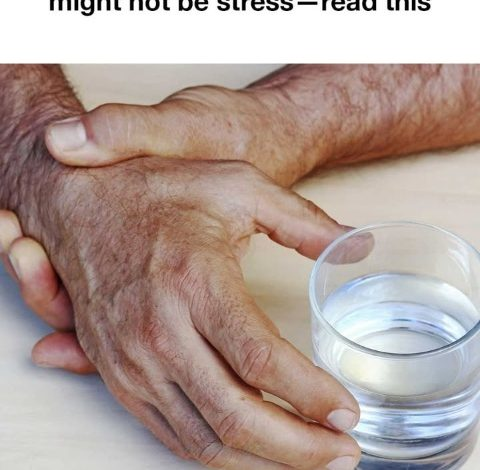
Why Are Your Hands Shaking? Here’s What It Could Mean
Have you ever noticed a slight tremble in your hands? Maybe it showed up before a big presentation or after your third cup of coffee. While it’s easy to blame stress or caffeine, hand tremors can sometimes signal something more. If the shaking happens frequently or without a clear reason, it may be time to look deeper.
Tremors can be connected to a variety of conditions—some harmless, others more serious. Understanding the potential causes is the first step toward deciding whether to seek medical advice. Let’s explore the common reasons your hands might be shaking—and what you can do about it.
What Are Hand Tremors?
A hand tremor is an involuntary, rhythmic shaking that usually occurs in the hands or arms. These movements may happen at rest or during activity, and they can vary in intensity. There are two major types:
- Resting tremors: Happen when your hands are still.
- Action tremors: Occur when you’re moving, such as reaching for something or writing.
For example, essential tremor, one of the most common forms, often involves shaking 4 to 12 times per second. Knowing the type and pattern of your tremor can help pinpoint the cause.
Common Reasons Your Hands Might Be Shaking
1. Essential Tremor (ET)
This is a common neurological condition, especially among older adults. ET causes shaking—most often in the hands—during movements like eating or writing. It’s often inherited and not associated with other neurological problems.
Treatment: Medications like beta-blockers or anticonvulsants can help. In severe cases, surgical options such as deep brain stimulation may be recommended.
2. Parkinson’s Disease
Parkinson’s is a progressive nervous system disorder that affects movement. One of the earliest signs is a resting tremor, usually starting in one hand and gradually spreading.
Other symptoms include:
- Muscle stiffness
- Slowed movements
- Balance issues
Treatment: While there’s no cure, medications like levodopa can help manage symptoms and improve quality of life.
3. Hyperthyroidism
An overactive thyroid gland can rev up your metabolism, leading to hand tremors—usually rapid, fine shaking (10–12 times per second).
Additional signs:
- Weight loss
- Rapid heartbeat
- Heat intolerance
- Anxiety
Treatment: Blood tests can confirm the diagnosis. Options may include medications, radioactive iodine, or surgery.
4. Medication Side Effects
Certain prescription drugs can cause tremors as a side effect. These include:
- Antidepressants
- Antipsychotics
- Asthma medications (like beta-agonist inhalers)
What to do: If you suspect your medication is the cause, consult your doctor. Don’t stop taking any prescription without medical guidance—they may adjust your dosage or try an alternative.
5. Lifestyle Triggers: Caffeine & Alcohol
Caffeine is a central nervous system stimulant, so it’s no surprise it can cause your hands to shake. This effect is usually temporary and resolves as caffeine wears off.
Alcohol can be a bit trickier. While a small amount may actually reduce essential tremor symptoms briefly, chronic alcohol use can lead to withdrawal tremors when drinking stops.
Tip: Cutting back on caffeine and alcohol can help minimize tremors from these sources.
6. Stress & Anxiety
When you’re anxious or stressed, your body releases adrenaline, which can cause trembling hands, a racing heart, or sweating. These “fight or flight” responses are normal but can be disruptive.
Managing stress: Try relaxation techniques like:
- Deep breathing
- Meditation
- Regular exercise
In more severe cases, therapy or medication may be needed to address chronic anxiety.
7. Vitamin and Mineral Deficiencies
Low levels of certain nutrients can interfere with muscle and nerve function. For example:
- Vitamin B12 deficiency can damage nerves and cause tremors.
- Low magnesium can lead to muscle spasms or twitching.
Solution: A well-balanced diet can help, but in some cases, supplements may be required. Always consult your doctor before starting new supplements.
8. Other Neurological Conditions
Aside from essential tremor and Parkinson’s, other neurological disorders can also lead to hand tremors:
- Multiple Sclerosis (MS): An autoimmune condition affecting the brain and spinal cord.
- Dystonia: A movement disorder marked by involuntary muscle contractions.
Each condition has specific symptoms and requires different testing (e.g., MRI for MS). Early diagnosis is key for effective treatment and long-term management.
When Should You See a Doctor?
Occasional trembling—especially during stress or after caffeine—is usually harmless. But if your hands are shaking regularly, getting worse, or accompanied by other symptoms like:
- Trouble walking
- Slurred speech
- Muscle weakness
- Memory issues
…it’s time to seek medical advice.
A doctor can perform a physical exam and run tests to determine the cause and recommend appropriate treatment. Don’t ignore persistent tremors—your body may be trying to tell you something important.
Final Thought:
Hand tremors can range from mildly annoying to deeply concerning. Understanding what’s behind them helps you take control and know when to seek help. If you’re ever unsure, trust your instincts and speak with a healthcare provider. Your hands may be trying to get your attention—for a reason.