Turns out this is what costs us more electricity than anything else
When your electricity bill arrives, you may catch yourself thinking, “How did it get this high? I don’t remember using that much power!” It’s a common concern—and while the air conditioner often gets the blame, there’s another surprising device quietly consuming more energy than you might expect: the set-top box.
Set-Top Boxes: The Silent Energy Guzzlers
Your set-top box (STB) might seem harmless, but it’s one of the sneakiest energy users in your home. Despite its small size, this device can use more electricity than some of your largest appliances, including your air conditioner.
Here’s the catch: the STB never truly turns off. Even when the TV is off and the box appears idle, it stays in standby mode, drawing nearly the same amount of power as when it’s fully operational.
Unless you switch off the main power supply, the STB is essentially running non-stop, 24 hours a day—adding to your power bill without you even noticing.
How to Reduce Standby Power Use:
- Turn off the set-top box completely using the main switch when not in use.
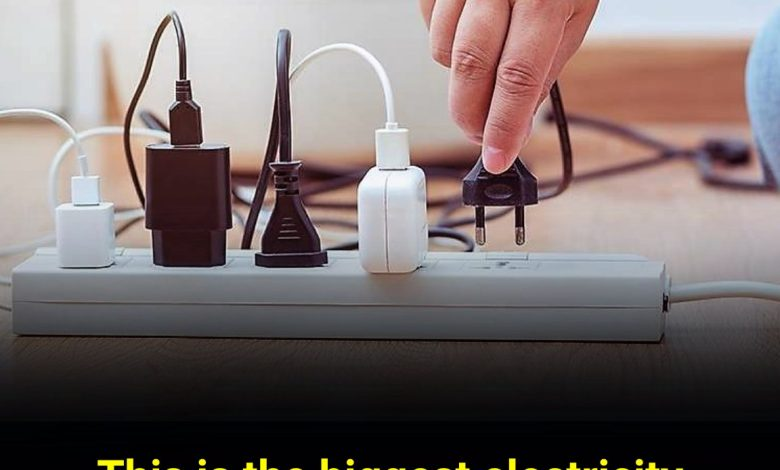
- Plug it into a power strip with an on/off switch to easily disconnect it when it’s idle.
Making these small changes can cut unnecessary energy usage and lead to noticeable savings on your monthly electricity bill.
But the set-top box isn’t the only device quietly drawing power in standby mode. Many common appliances around your home can also add to your energy costs when left plugged in.
Other Practical Tips to Cut Energy Usage
Air Conditioners
- When shopping for a new unit, consider an inverter model. It adjusts power automatically, making it far more energy-efficient.
- Keep the thermostat at around 26°C (78.8°F) to balance comfort and efficiency.
- Use the sleep mode at night to reduce power usage while maintaining a comfortable temperature.
- Clean filters and coils regularly to ensure the unit runs efficiently and doesn’t waste power.
Refrigerators
- Allow food to cool to room temperature before placing it in the fridge. This prevents the fridge from overworking.
- Keep the interior organized to maintain airflow, which helps maintain an even temperature with less effort.
- In hot months, set the fridge to 4–5°C (39–41°F) to reduce power consumption.
- Wash and dry produce before storing it. This cuts down excess moisture and helps the appliance run more efficiently.
Washing Machines
- Adjust the water level and wash cycle based on the type of clothing and how dirty they are. This conserves both water and electricity.
- Don’t overuse water; it makes the machine work harder and consumes more energy.
- Plug the washing machine into a power strip or smart plug and switch it off when not in use to avoid unnecessary standby power draw.
Final Thoughts
By selecting energy-saving appliances, using them smartly, and maintaining them regularly, you can significantly reduce your power consumption and monthly utility bills. A little care and attention go a long way—keeping your home running efficiently while saving you money over time.
Remember, cutting back on energy waste isn’t just good for your wallet—it’s also a win for the environment.