What Are Eye Floaters? Here What To Do If you Start Seeing Them, According to an Eye Doctor
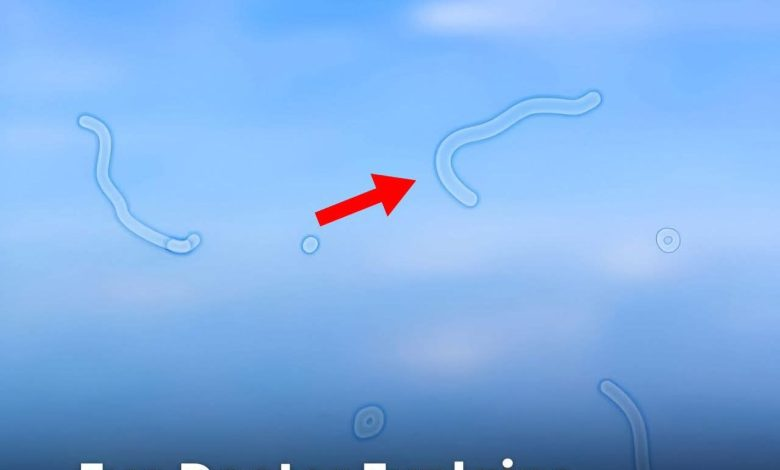
Have you ever noticed small specks, spots, or thread-like shapes drifting across your vision? These are known as eye floaters — and while they might seem concerning at first, they’re usually a normal part of the aging process. Let’s explore what causes them, what they mean, and when you should take them seriously, based on expert insights from eye care professionals.
What Are Eye Floaters?
To understand floaters, it helps to know a bit about the inner workings of the eye. The area between your lens and retina is filled with a clear, gel-like substance called the vitreous humor. As you age, this gel can begin to shrink and liquefy, causing small clumps of protein or other debris to form. These clumps cast shadows on your retina, and it’s these shadows that you perceive as floaters.
Floaters can take on different forms and may appear as:
- Tiny dots or specks
- Wavy lines or strands
- Cobweb-like shapes
- Small rings or circles
They tend to move as your eyes shift, often seeming to drift away when you try to look at them directly. According to eye doctors, floaters are typically harmless and just part of the natural aging process.
What Causes Floaters?
Although aging is the most common reason people develop floaters, there are several other potential causes:
- Posterior Vitreous Detachment (PVD): A common condition in older adults where the vitreous gel separates from the retina, often causing a sudden increase in floaters.
- Eye Injuries: Trauma to the eye can lead to floaters forming.
- Inflammation or Infection: Conditions such as uveitis (inflammation within the eye) can result in floating debris visible in your vision.
- Nearsightedness: Individuals with severe nearsightedness may develop floaters earlier in life due to changes in the structure of the eye.
When to Be Concerned
Most floaters are harmless, but it’s important to recognize signs that could indicate a more serious issue. A sudden surge in floaters — especially if accompanied by other symptoms — should be evaluated immediately.
Experts warn:
“If you notice a sudden burst of floaters, especially with flashes of light, contact an eye care professional immediately.”
This could indicate a retinal tear or retinal detachment, both of which are serious conditions where the retina begins to pull away from the back of the eye. Retinal detachment is a medical emergency and needs prompt treatment to avoid permanent vision loss.
What to Do If You Notice Floaters
Seeing a few floaters here and there isn’t usually a cause for concern. In fact, many people find that floaters fade or become less noticeable over time as the brain adapts and learns to ignore them.
However, you should consult an eye doctor if you experience:
- A noticeable and sudden increase in floaters
- Flashes of light in your vision
- A shadow, curtain, or dark area creeping over your field of vision
An eye care specialist can perform a dilated eye exam to closely examine the retina and vitreous, helping determine the cause and whether treatment is necessary.
Bottom Line
While floaters are common and often harmless, it’s essential to stay aware of any changes in your vision. If you’re ever in doubt, it’s better to have your eyes checked than to ignore a potential issue. Protecting your vision means staying informed — and seeking help when something doesn’t seem quite right.