If you have this plant in your house, then you have…
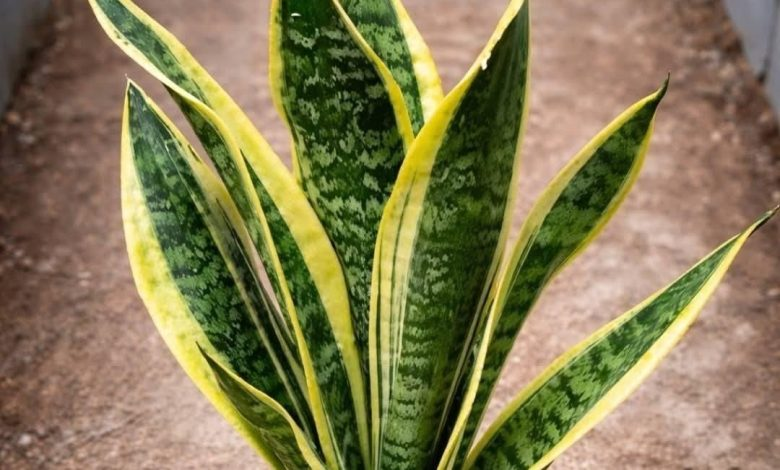
You’ve probably come across headlines like: “If you have this plant in your home, you’ll have good luck!” or “This plant purifies the air naturally!” These types of claims are common on social media and lifestyle websites, often assigning health, spiritual, or magical benefits to ordinary houseplants.
While these statements are attention-grabbing, they are often oversimplified. In many cases, there is a small amount of truth behind the claims, but the real story is usually more balanced than the headline suggests.
Here’s a closer look at what science and tradition actually say about a few well-known houseplants.
If You Have a Snake Plant (Sansevieria)
The claim: “It cleans the air in your home.”
What science says:
NASA’s Clean Air Study did show that snake plants can absorb tiny amounts of indoor pollutants like benzene and formaldehyde. However, the study took place in sealed test chambers rather than normal homes. To noticeably improve air quality indoors, you would need far more plants than most people could realistically keep.
The realistic view:
Snake plants are still excellent houseplants because they are hardy, easy to maintain, and visually appealing. Having greenery indoors may help support relaxation and improve mood, even if the plant itself is not functioning like an air purifier.
If You Have a Money Plant
The claim: “It attracts wealth and prosperity.”
The tradition:
In Feng Shui and similar traditions, plants such as pothos or jade are considered symbols of growth, abundance, and positive energy. Many people enjoy these associations as part of cultural or personal practices.
The reality:
There is no scientific evidence that a plant can influence finances or luck. However, money plants are popular because they are adaptable and beginner-friendly, which can create a rewarding and enjoyable experience for plant owners.
If You Have Lavender
The claim: “It helps you sleep and reduces stress.”
What research suggests:
Lavender has been studied for its calming scent, and some research indicates that lavender essential oil may help certain people relax or sleep more comfortably.
The balanced perspective:
Most studies focus on concentrated lavender oils rather than simply keeping a lavender plant nearby. Still, its fragrance and soothing appearance can help create a calm atmosphere, which may support relaxation in a gentle way.
A Healthy Perspective on Plant Claims
Houseplants do provide real benefits. They can:
- Make spaces feel warmer and more inviting
- Encourage calming routines and mindfulness
- Support mood and stress reduction
- Add beauty and connection to nature indoors
At the same time, plants are not miracle solutions. Claims that a single plant can eliminate illness, guarantee wealth, or completely transform your environment should be viewed carefully.
Well-being comes from many factors working together—healthy habits, rest, movement, relationships, and environment. Plants can absolutely contribute to that sense of balance, but they are part of the picture rather than a cure-all.
Why Plants Still Matter
Even without exaggerated promises, caring for plants can be deeply rewarding. Watching something grow under your care encourages patience, routine, and a stronger connection to the natural world.
Whether you keep one small plant on a windowsill or fill your home with greenery, the true value often comes from the calm, beauty, and everyday enjoyment they bring into your space.