Is It Fine to Turn on the Range Hood Lights Overnight? A Practical Guide to Safety, Energy, and Peace of Mind
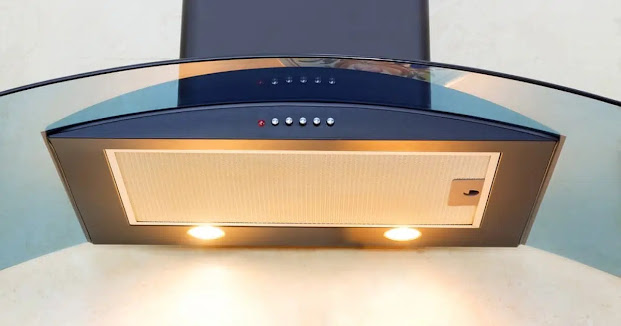
Range hoods are among the busiest appliances in the kitchen, working hard to remove steam, smoke, grease, and cooking odors while improving indoor air quality. Many models also include built-in lights that brighten the cooktop, making food preparation easier and safer.
A question many homeowners ask before heading to bed is: Is it safe to leave the range hood light on all night?
Some people use it as a gentle night light, others appreciate having a lit pathway to the kitchen, and sometimes it simply gets left on by accident. Whatever the reason, it’s worth understanding both the advantages and potential drawbacks before deciding whether to leave it illuminated overnight.
The Short Answer
In most cases, yes—it is generally safe to leave a range hood light on overnight, especially if your hood uses modern LED bulbs.
LED lights consume very little electricity, stay relatively cool during operation, and present minimal fire risk when the fixture is properly maintained. They also provide convenient nighttime lighting for kitchens and nearby walkways.
However, leaving any light on every night will gradually increase electricity usage, shorten bulb life, and may create unwanted brightness in nearby living or sleeping areas. Whether it’s worthwhile depends on your home’s layout and your personal preferences.
Advantages of Leaving the Light On
1. Better Nighttime Safety
A softly lit kitchen makes moving around after dark much easier.
Late-Night Trips: Whether you’re getting a drink of water or grabbing a snack, you can avoid stumbling through a dark room.
Reduced Fall Risk: Extra lighting helps prevent trips and falls, especially for older adults or anyone with mobility concerns.
Helpful for Children: A familiar light can make nighttime trips to the kitchen less intimidating for younger family members.
According to the National Safety Council, falls remain one of the leading causes of injuries at home, and better lighting can help reduce that risk.
2. Added Home Security
A lit kitchen may also offer a modest security benefit.
Occupied Appearance: A light visible from outside can make a home appear occupied.
Outdoor Visibility: The glow through windows can brighten nearby exterior areas.
Low-Cost Deterrent: Compared with outdoor floodlights, a small kitchen light uses very little electricity while still providing some visibility.
3. Everyday Convenience
Keeping the light on can simply make daily life easier.
Easy Navigation: No searching for switches when walking into the kitchen.
Helpful for Guests: Visitors unfamiliar with your home can move around more comfortably.
Hands-Free Access: Carrying groceries, laundry, or a sleeping child becomes easier when the room is already lit.
Ideal for Shift Workers: Those with unconventional schedules may appreciate a kitchen that’s always softly illuminated.
Potential Drawbacks
1. Higher Electricity Use
Although LEDs are very efficient, they still consume electricity.
Approximate yearly operating costs:
- LED bulbs (5–10 watts): About $3–$7 per year
- Halogen bulbs (20–50 watts): Roughly $11–$29 per year
- Incandescent bulbs (40–60 watts): Around $22–$33 annually
Actual costs depend on your local electricity rates and the type of bulb installed.
2. Shorter Bulb Lifespan
The longer a bulb operates, the sooner it will need replacing.
LED Bulbs: Typically last between 25,000 and 50,000 hours.
Halogen Bulbs: Usually last 2,000 to 4,000 hours.
Incandescent Bulbs: Generally last only 1,000 to 2,000 hours.
Replacing range hood bulbs can sometimes be inconvenient because of limited access and grease buildup around the fixture.
3. Light Disturbing Sleep
Even a small kitchen light may affect sleep in certain homes.
Open Floor Plans: Light can spread into living rooms or bedrooms.
Sensitive Sleepers: Individuals with insomnia, migraines, or shift-work schedules may find even dim lighting disruptive.
Melatonin Production: Excess artificial light during nighttime hours may interfere with the body’s natural sleep cycle.
4. Heat Production
The amount of heat depends on the bulb type.
LEDs: Produce very little heat.
Halogens: Generate moderate warmth.
Incandescent Bulbs: Become much hotter and require extra attention to cleanliness around the fixture.
Important Safety Note: Regardless of bulb type, regularly cleaning grease from the range hood is essential. Excess grease near any heat source can increase fire risk.
Smart Ways to Balance Safety and Efficiency
You don’t have to choose between complete darkness and leaving the light on all night.
Upgrade to LED Lighting
If your hood still uses older bulbs, switching to LEDs can dramatically reduce electricity consumption while extending bulb life.
Choose warm white LEDs (2700K–3000K) for softer nighttime lighting. If compatible, dimmable bulbs allow you to reduce brightness during evening hours.
Add Smart Controls
Automation can provide lighting only when needed.
Timer Switches: Automatically turn lights off after a preset period.
Motion Sensors: Activate lighting only when someone enters the kitchen.
Smart Home Devices: Schedule lights or control them remotely using a smartphone or voice assistant.
Reduce Light Spill
Aim lighting directly toward the cooktop rather than into adjoining rooms.
If additional nighttime illumination is needed, low-profile under-cabinet LED strips often provide a softer, more focused glow than range hood lights.
Maintenance Tips
Proper maintenance keeps your range hood operating efficiently and safely.
- Clean the light covers every month to remove grease and dust.
- Check bulb fittings twice a year to prevent flickering or loose connections.
- Wash grease filters regularly according to the manufacturer’s recommendations.
- Inspect visible wiring periodically for signs of wear or damage.
Before replacing bulbs, cleaning electrical components, or performing maintenance, always disconnect power at the circuit breaker. If electrical repairs are needed, contact a qualified electrician.
With proper maintenance and modern LED lighting, leaving a range hood light on overnight is generally safe and inexpensive. The best choice depends on your home’s layout, your lighting needs, and whether the added convenience outweighs the small increase in energy use.