White foam seeps out of my meatloaf while baking — is that normal?
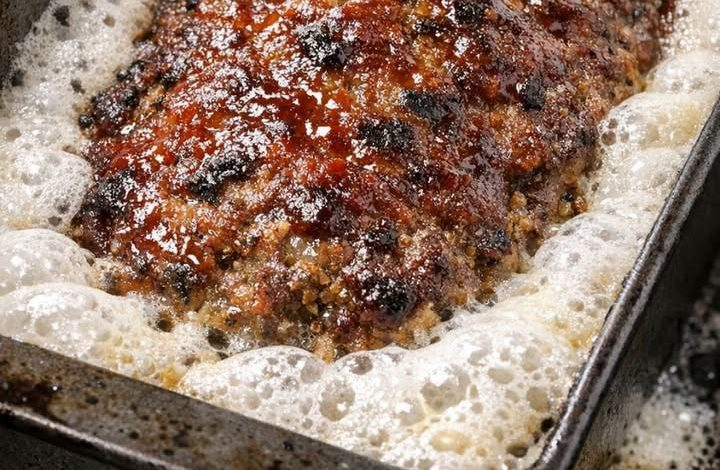
Making a homemade meatloaf is one of those classic kitchen experiences that brings comfort from the moment it begins baking. The rich aroma fills the house, creating the promise of a warm, satisfying meal. But while checking on your meatloaf in the oven, you may notice something surprising: a pale white, bubbly foam collecting on the surface or around the edges.
Before assuming your recipe failed or your meal is ruined, know that this is a very common occurrence. Many home cooks see this happen when preparing ground meat, and it is simply a natural result of the cooking process.
This guide explains what causes the white foam, why it appears, whether it is safe, and how you can reduce it for a cleaner-looking final dish.
1. What Is the White Foam Appearing on Meatloaf?
The white substance that appears while meatloaf cooks is mainly made up of released proteins, moisture, and melted fat. Ground meat naturally contains water, proteins, and fat that are mixed together throughout the meat.
As the meatloaf heats in the oven, these components begin moving toward the surface. Once they reach the hotter exterior, they combine with heat and air, creating a light-colored, frothy layer. Since ground meat has been finely processed, more of its internal proteins are exposed compared with whole cuts like steaks or roasts, making this effect more noticeable.
2. The Cooking Science Behind Protein and Fat Changes
Understanding the science of meat helps explain why this happens. Meat contains muscle fibers filled with protein structures that react when exposed to heat.
Protein transformation: As meat cooks, proteins undergo a process called denaturation. The tightly folded proteins unfold, change shape, and eventually bind together. During this process, they release moisture and dissolved proteins, which move toward the outside of the meatloaf.
Fat and liquid interaction: At the same time, the fat inside the meat begins melting. When melted fat combines with released water and proteins, the mixture can become foamy and appear as a white or grayish layer. This is similar to the foam that naturally forms when cooking meats for soups or broths.
3. Is the White Foam Safe?
Yes, the foam that appears on meatloaf is generally safe to eat. It is not a sign that the meat has spoiled or that something went wrong during cooking. The substance is simply made from natural parts of the meat, including proteins and fats.
Although it may not look attractive, it does not make the meal unsafe. However, normal food safety practices still apply. If the raw meat had a strange odor before cooking, or if the foam smells unusual rather than like cooked meat, it is best to evaluate the freshness of the ingredients.
4. How Different Meats Affect Foam Production
The type of meat and its fat content can greatly influence how much foam appears.
Lean meats: Ground chicken, turkey, or very lean beef usually produce less foam because they contain less fat to mix with escaping proteins.
Higher-fat meats: Ground beef, pork, or blended meat mixtures often create more visible foam because there is more fat available to melt during cooking.
Many cooks choose an 80/20 or 85/15 beef blend for meatloaf because the added fat creates a moist, flavorful texture, but that same fat can also contribute to more surface bubbling.
5. The Effect of Eggs, Milk, and Binders
Traditional meatloaf recipes often include breadcrumbs, crackers, eggs, and milk. These ingredients affect how the meat mixture reacts while baking.
Eggs: Eggs add additional protein, but they also help bind the ingredients together. This can help hold moisture inside the loaf instead of allowing excessive liquid to escape.
Milk and breadcrumbs: When breadcrumbs absorb milk, they create a soft mixture that works like a sponge. This helps capture melted fat and juices, reducing the amount that collects on top of the meatloaf.
6. How Temperature and Pan Choice Make a Difference
The way you bake your meatloaf can affect how much foam develops.
Cooking temperature: Very high heat causes proteins on the outside to tighten quickly, pushing liquids outward and increasing foaming. A moderate temperature around 350°F (175°C) allows the meat to cook more evenly and gently.
Pan style: A deep loaf pan can trap melted juices and fat around the meat, making foam more noticeable. Baking a free-form meatloaf on a lined baking sheet allows excess liquid to drain away. Using a rack over a baking sheet can also help separate the meat from extra grease.
7. Ways to Reduce Foam Before Baking
A few preparation habits can help minimize surface foam.
Do not overmix: Mix the ingredients only until combined. Overworking the meat breaks down more fibers and releases additional proteins that can create more foam.
Cook vegetables first: If adding onions, garlic, or celery, sauté them beforehand and allow them to cool before mixing them into the meat. This prevents extra moisture from entering the mixture.
8. Baking Tips for a Cleaner, Juicier Meatloaf
A few techniques can help control moisture during cooking.
Foil covering method: Covering the meatloaf loosely with foil during the first part of baking can help it cook more gently by creating a moist environment. Remove the foil near the end to allow the top to brown.
Water bath method: Placing the loaf pan inside a larger pan with hot water creates gentle, even heat. This helps maintain moisture and reduces sudden temperature changes that can encourage heavy foaming.
9. What to Do If Foam Appears During Baking
If you notice a thick layer of foam while your meatloaf is cooking, there is no need to panic.
Carefully remove the foam using a spoon, paper towel, or kitchen baster. This will not affect the flavor or texture of the finished meatloaf. If excess grease collects around the edges of the pan, it can also be carefully removed.
10. When Foam Could Signal a Problem
Most white foam is completely normal, but there are situations where caution is needed.
Unpleasant smells: If the foam has a strong sour, rotten, or unusual odor, the meat may not have been fresh before cooking.
Strange colors: Normal foam is usually white, cream-colored, or light gray. Green, blue, or unusual dark discoloration may indicate a problem with the ingredients and should not be ignored.
11. How to Slice Meatloaf Beautifully
Once your meatloaf is fully cooked, allowing it to rest is an important final step.
Let it rest: Avoid slicing immediately after removing it from the oven. Resting for 10–15 minutes allows the juices to redistribute and helps the slices stay together.
Use a sharp knife: A serrated knife works well for creating clean slices. Use gentle sawing motions and wipe the blade between cuts for neat, attractive portions.
With the right preparation and understanding of the cooking process, the white foam on meatloaf becomes nothing more than a harmless part of creating a delicious homemade meal.