What the Numbers on Your Egg Carton Really Mean (And Why It Matters)
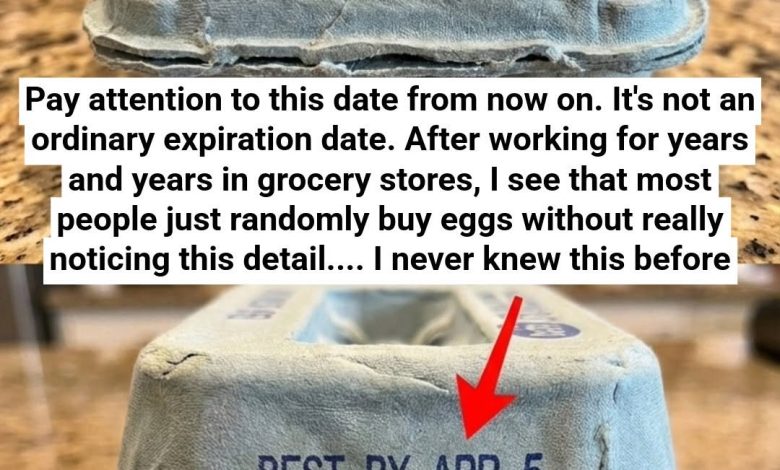
We’ve all experienced it at the grocery store. You’re standing in front of the refrigerated egg display, comparing cartons, when you notice a strange three-digit number printed on the side—maybe something like “042” or “289”—along with the letter “P” followed by several more numbers. At first glance, it looks confusing, and it’s easy to wonder what all those codes actually mean.
As it turns out, those markings provide useful information about your eggs. Once you know how to read them, choosing the freshest carton becomes much easier.
Understanding the Codes on an Egg Carton
Every carton contains more information than just a sell-by date. Those printed numbers can help you determine when the eggs were packed and where they came from.
The Julian Packing Date
One of the most important numbers is the three-digit Julian date. This code represents the day of the year the eggs were packed.
The numbering works like this:
- 001 = January 1
- 032 = February 1 (approximately)
- 182 = Early July
- 365 = December 31
Generally, a higher number means the eggs were packed more recently if you’re shopping within the same calendar year. Comparing this code between cartons can help you pick the freshest option.
The Plant Number
You’ll often see a letter “P” followed by several digits. This identifies the processing facility where the eggs were cleaned, graded, and packaged.
While shoppers rarely need this information, it becomes valuable if a food recall occurs because it helps identify affected products.
Sell-By and Expiration Dates
Most cartons also include a calendar date.
- Sell-by date: Intended primarily for retailers to manage inventory.
- Expiration or best-by date: Indicates the period during which the producer expects the eggs to maintain their best quality.
With proper refrigeration, eggs often remain safe beyond the sell-by date, though quality gradually declines over time.
Keeping Eggs Fresh at Home
Proper storage helps preserve both freshness and quality.
- Store eggs in the refrigerator.
- Keep them inside their original carton.
- Avoid storing them in the refrigerator door where temperatures fluctuate.
- Don’t wash eggs before storing them, as doing so can remove their natural protective coating.
Easy Ways to Check Freshness
If you’re unsure whether an egg is still fresh, try one of these simple methods.
Water Test
Place the egg in a bowl of cold water.
- Fresh eggs sink and lie flat.
- Older eggs tend to stand upright.
- Eggs that float should be discarded because they may no longer be safe to eat.
Crack Test
Break the egg into a bowl.
A fresh egg usually has:
- A firm, rounded yolk.
- Thick egg white that stays close to the yolk.
Older eggs spread more easily because the white becomes thinner.
Smell Test
Fresh eggs have little to no odor. If an egg smells unpleasant after cracking, it’s best to throw it away immediately.
Why Fresh Eggs Matter
Choosing fresher eggs can make a noticeable difference in cooking and baking.
Fresh eggs often provide:
- Better flavor.
- Firmer texture.
- Improved performance in recipes like cakes, soufflés, and poached eggs.
- Higher overall quality for everyday meals.
Frequently Asked Questions
What is the Julian date?
It’s the three-digit number that identifies the day of the year the eggs were packed.
What does the plant code mean?
It identifies the facility where the eggs were processed and packaged.
What is the sell-by date?
It’s a guide for retailers rather than a strict safety deadline for consumers.
How can I tell if an egg is fresh?
The cold-water float test is one of the easiest and most reliable methods.
Should eggs be washed before refrigeration?
No. Washing can remove the egg’s natural protective coating, which helps keep bacteria out.
Final Thoughts
Understanding the numbers printed on an egg carton takes the mystery out of shopping. By checking the packing date, storing eggs properly, and using a few simple freshness tests at home, you can confidently choose eggs that deliver the best quality for your meals and baking.