The Difference Between Green Onions, Scallions, Spring Onions, and Chives Explained
🌱 Green Onions, Scallions, Spring Onions, and Chives: Understanding the Difference
They may look similar in the produce aisle, but green onions, scallions, spring onions, and chives each bring their own flavor, texture, and purpose to the kitchen. While recipes sometimes treat them as interchangeable, knowing the differences can help you choose the best option for your dish.
🟢 1. Green Onions and Scallions
These two names refer to the exact same ingredient.
What They Are
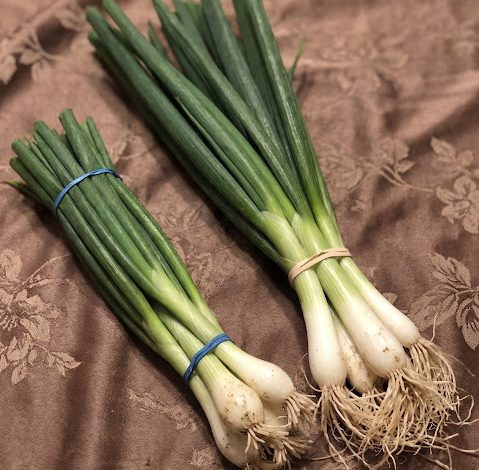
Scallions, also called green onions, are immature onions harvested before the bulb fully develops.
Appearance
- Long green hollow stalks
- Thin white base
- Little to no visible bulb
Flavor
Mild, slightly sweet, and fresher tasting than regular onions.
Best Ways to Use Them
- Sprinkle raw over salads, tacos, soups, or baked potatoes
- Stir into eggs or noodles
- Add near the end of cooking for the best flavor
Both the white and green sections can be eaten. The white portion has a sharper onion taste, while the greens are softer and more delicate.
Key Point
Green onions and scallions are simply different names for the same vegetable.
🌱 2. Spring Onions
What They Are
Spring onions are a more mature version of scallions and have started forming a small onion bulb.
Appearance
- Noticeable round bulb at the base
- Taller and thicker green stalks
Flavor
Sweeter and stronger than scallions, with a taste closer to mild traditional onions.
Best Ways to Use Them
- Roast or grill whole
- Sauté the bulbs in cooked dishes
- Slice the greens for garnishes or soups
They are popular in Mediterranean, Asian, and Middle Eastern cooking.
Key Point
Unlike scallions, spring onions have a developed bulb.
🌿 3. Chives
What They Are
Chives are herbs related to onions, garlic, and leeks.
Appearance
- Thin, grass-like stems
- Solid inside rather than hollow
- No bulb at the bottom
Flavor
Very mild onion flavor with a fresh, delicate taste.
Best Ways to Use Them
- Sprinkle over soups, potatoes, eggs, and dips
- Use as a finishing garnish
- Add at the end of cooking or serve raw
Chives are usually snipped with scissors to keep them from bruising.
Common Types
- Standard chives: mild onion flavor
- Garlic chives: flatter leaves with a subtle garlic taste
Key Point
Chives are best used fresh and are not ideal for long cooking.
🥣 Quick Comparison
| Type | Bulb | Stem Type | Flavor | Best Use |
|---|---|---|---|---|
| Scallions / Green Onions | No | Hollow | Mild | Raw or lightly cooked |
| Spring Onions | Small bulb | Hollow | Stronger, sweeter | Roasted, grilled, sautéed |
| Chives | No | Solid | Very mild | Fresh garnish |
❤️ Helpful Kitchen Tips
- Chives lose flavor quickly when heavily cooked
- Use spring onions when you want more noticeable onion flavor
- Store scallions upright in water in the refrigerator to keep them fresh longer
- Chopped scallions freeze well for soups and cooked dishes
🌟 Final Thoughts
Although these greens look alike, each serves a different role in cooking:
- Scallions/green onions are versatile everyday ingredients
- Spring onions offer a richer onion flavor and tender bulb
- Chives provide a delicate finishing touch for presentation and freshness
Choosing the right one can elevate both the flavor and texture of your meals without adding complexity.