The Psychology Behind Clearing the Table: Why Do We Help the Waiter?
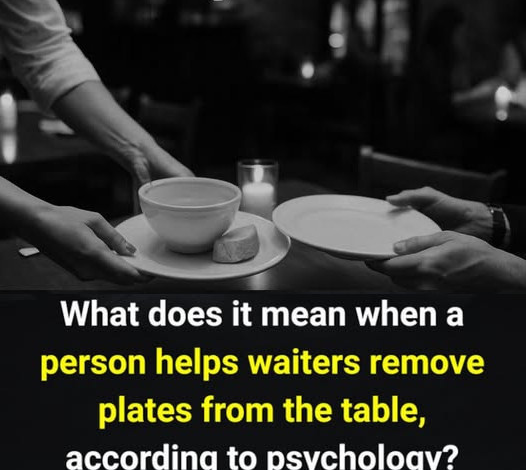
Most of us have done it: the meal ends, conversation fades, and the server approaches to clear the table. Before they even reach for a dish, you’ve already begun stacking plates and gathering utensils.
It might look like a small act of politeness, but psychologists suggest this habit—sometimes called “guest pre-bussing”—can say a lot about our personality and social behavior. Here’s what could be behind that simple gesture.
A Need for Order and Control
For some, a cluttered table feels mentally uncomfortable. Once the meal is over, leftover dishes stop representing food and start feeling like disorder.
- Mental Closure: People naturally seek a sense of completion. Moving your plate aside can signal to your brain that the experience has ended.
- Personal Space: Those who prefer organization often tidy up to restore a sense of calm and control in their surroundings.
Empathy and a Desire to Please
In psychology, individuals who score high in agreeableness—one of the Big Five personality traits—are more inclined to help others.
- Awareness of Others: You might notice a busy server and instinctively try to make their job a little easier.
- Keeping Things Smooth: Some people help out because they don’t want to feel like a burden and aim to keep social interactions positive.
Service and Subtle Social Balance
Pitching in can also reflect an unconscious effort to reduce the gap between being served and serving.
- Creating Equality: Being waited on can feel uncomfortable for some, so helping becomes a way to level the dynamic.
- Positive Self-Perception: Small helpful actions reinforce how we see ourselves—kind, capable, and considerate—providing a quiet sense of satisfaction.
Is It Always Helpful?
Even with good intentions, it doesn’t always make things easier. Servers often follow specific methods for stacking plates to keep them balanced and efficient. Random stacking can sometimes slow them down.
Helpful Tip: If you want to assist without interfering, simply move your plate toward the edge of the table and place your utensils neatly on top. This shows you’re finished while allowing the server to handle things their way.
Smart Ways to Help Without Complicating Things
- Consolidate Food: Gather leftovers onto one plate to avoid mess and keep things stable.
- Neat Utensils: Place silverware side by side on the plate to signal you’re done.
- Clear Space: Move personal items like phones or glasses out of the way.
- Stack Carefully: If you do stack, keep the largest plate at the bottom and avoid unstable combinations.
In Short
If you tend to stack plates, it often points to empathy, organization, and social awareness. It shows a desire to keep shared spaces orderly and make things just a bit easier for others.