Reusing Pistachio Shells: How to Turn Them Into Powder and Use It in Your Garden
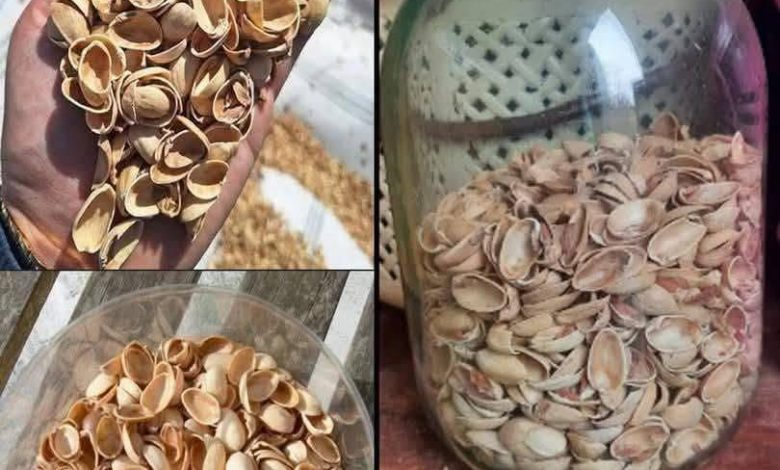
Don’t Throw Away Pistachio Shells: Turn Them Into a Valuable Garden Resource
After enjoying a bowl of pistachios, most people see the leftover shells as nothing more than kitchen waste. However, gardeners know these tough little shells can be surprisingly useful. Instead of sending them to the trash, you can reuse them as a natural soil amendment that helps improve garden conditions.
Because pistachio shells are hard, woody, and slow to break down, they can work as an alternative to materials often added to soil for structure. When crushed or ground, they can help improve airflow, support drainage, and maintain balanced moisture levels around plant roots.
With a little preparation, leftover pistachio shells can become a practical zero-waste addition to your gardening routine.
🧂 The First Step: Remove Any Salt
Before using pistachio shells in your garden, check whether they came from salted or unsalted nuts.
Unsalted Pistachio Shells
If the shells are completely unsalted, they can move directly to the drying stage.
Salted Pistachio Shells
Most store-bought pistachios contain salt, and too much salt in garden soil can damage plants and interfere with healthy root growth.
To clean salted shells:
- Place the shells in a bowl or colander.
- Rinse them thoroughly with warm water to remove surface salt.
- Soak them in fresh water for 12–24 hours.
- Replace the soaking water once or twice for better results.
- Make sure the shells no longer have a salty residue before using them.
☀️ Step 2: Dry the Shells Completely
The shells need to be completely dry before grinding or crushing. Moisture can make them difficult to process and may cause them to stick together.
Sun-Drying Method
Spread the cleaned shells in a single layer on a tray and leave them in direct sunlight for 2–3 days until they are completely dry.
Oven-Drying Method
For faster results:
- Spread the shells on a baking sheet.
- Bake at 200°F (90°C) for 1–2 hours.
- Check occasionally until they become dry and brittle.
🔨 Step 3: Choose the Right Texture
The best way to prepare pistachio shells depends on how you plan to use them.
Fine Powder
For a soil-mixing ingredient:
- Grind dried shells in a coffee grinder or strong blender.
- Use short pulses to avoid overheating the equipment.
- Consider wearing a dust mask when handling large amounts of fine powder.
Coarse Shell Pieces
For better drainage:
- Place dried shells inside a sturdy towel.
- Crush them with a hammer or mallet.
- A mortar and pestle can also work for smaller amounts.
Whole Shells
For long-lasting mulch:
- Leave shells whole or break them into smaller pieces by hand.
🌱 Ways to Use Pistachio Shells in the Garden
Improve Heavy Soil and Increase Aeration
Dense soil can limit airflow and make it harder for roots to grow. Crushed pistachio shells help create small spaces within the soil, allowing better movement of air and water.
How to use: Mix crushed shells into potting soil when planting or repotting to create a lighter, more breathable growing environment.
Help Sandy Soil Hold Moisture
Very sandy soil often loses water quickly. As pistachio shells slowly break down, they can contribute organic material that helps the soil retain moisture longer.
How to use: Mix a small amount of crushed shell material into the upper layers of garden soil around plants.
Add Structure to Compost
Compost benefits from a balance of soft, moisture-rich materials and dry carbon-based materials. Crushed pistachio shells can act as a slow-decomposing “brown” material.
How to use: Sprinkle crushed shells into compost piles to improve structure and encourage airflow.
Create a Natural Pest Barrier
Coarsely crushed shells can be useful around plants where slugs and snails are a problem. The rough texture creates an uncomfortable surface for these soft-bodied pests.
How to use: Place a ring of crushed shells around vulnerable plants to create a natural barrier.
Decorate Houseplant Soil
Pistachio shells can also be used as a simple decorative topping for indoor plants.
How to use: Add a thin layer of small shell pieces or crushed material to the surface of the soil. It can provide a natural appearance while helping protect the soil surface.
🌿 A Simple Way to Reduce Household Waste
Using pistachio shells in the garden is a great example of turning everyday leftovers into something useful. Instead of throwing them away, you can give them a second purpose by improving your soil and supporting healthier plants.
With a little cleaning, drying, and preparation, a simple snack leftover can become a valuable gardening material. The next time you enjoy pistachios, consider saving the shells—they may become one of the most useful things in your garden.