The Curious Case of the Hallway Sink: Why Older Homes Feature Sinks in Unexpected Places
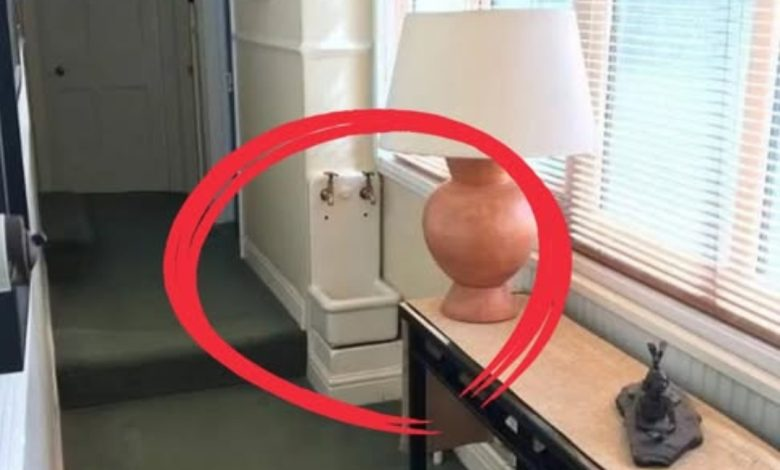
The Curious History of Hallway Sinks: Why Older Homes Placed Plumbing in Unusual Spots
Imagine stepping inside an old historic house. As you move through a dim hallway where “the floorboards groan” and “a draft whispers from somewhere unseen,” you suddenly spot something unexpected — a small sink attached directly to the wall in the corridor.
It’s not connected to a bathroom. It’s nowhere near the kitchen. It simply sits there in a passageway designed for walking through. Most people immediately wonder, “Wait… why is there a sink in the middle of the hall?”
At first glance, it may seem accidental. Some assume it was a “plumbing error” or perhaps “someone’s idea of a very weird art installation.” But these hallway sinks actually served a thoughtful and highly practical purpose in earlier generations of home design.
A Mark of Modern Living
To understand these unusual fixtures, it helps to look back to the early 20th century, when indoor plumbing was still considered a “sign of wealth and modernity.”
Homes of that era were organized differently from today’s layouts. Many houses had only one bathroom, often located upstairs and away from the main entrance. Daily life was messier too, with dirt roads, outdoor labor, and limited sanitation. After returning home with “muddy boots, dirty hands, garden gloves,” few people wanted to trek across the house just to wash up.
Designed to Keep Dirt Out
Hallway sinks acted as convenient “hygiene stations” placed near entry points to help keep the home cleaner. They provided a quick place for residents to tidy up before entering living areas. Families commonly used them to:
- Clean up after outdoor chores and “wash your hands after gardening, working, or coming in from outside.”
- Prevent messes indoors by helping people “rinse off dirt before entering the main living areas.”
- Help children clean up quickly and “give kids a quick clean-up spot without tracking mud upstairs.”
Because plumbing installation was costly at the time, these sinks were usually simple in design. Many featured “cold water only” and used “minimal piping” to keep expenses manageable. They frequently appeared in “farmhouses,” “Victorian homes,” and “early 20th-century city row houses.”
Why They Feel Unusual Today
Modern homes typically keep sinks confined to kitchens and bathrooms, so seeing one in a hallway can feel “awkward.” Historically, though, “cleanliness happened where people entered.”
Instead of carrying mud and grime throughout the house, people could stop for a “quick scrub before dinner” before settling in. What may seem odd now was once viewed as “smart design,” helping preserve rugs, furniture, and shared spaces.
Misconceptions About Hallway Sinks
Over the years, many theories have surfaced about these fixtures. Some people claim “it’s a foot washer!” while others insist “it’s a spittoon sink!” In most cases, those explanations are inaccurate. Foot washers were designed differently, and household spittoons were rarely connected directly to plumbing systems.
Others suggest they existed “for washing baby bottles.” Although they may occasionally have been used that way, their primary purpose remained straightforward and practical: “handwashing, old-school style.”
A Small Piece of Everyday History
When you encounter a porcelain sink in an unexpected location, it’s important to remember it isn’t a “plumbing error.” Instead, it’s a “relic of a time when homes were built around real life—not Instagram aesthetics.”
Rather than dismissing these sinks as strange, many homeowners now “appreciate it” as a charming piece of “history with running water.” These simple fixtures offer a fascinating glimpse into how household routines, cleanliness, and architecture have changed over the last hundred years.