The Difference Between Green Onions, Scallions, Spring Onions, and Chives Explained
🌱 Green Onions, Scallions, Spring Onions & Chives: What Sets Them Apart?
At first glance, these greens can seem like slight variations of the same vegetable. They’re often swapped for one another in recipes, yet each brings its own flavor, texture, and best use. Understanding the differences can noticeably improve how a dish tastes and looks.
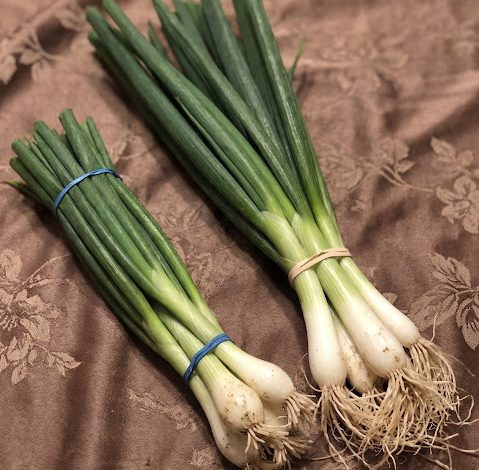
🟢 1. Green Onions = Scallions (They’re Identical)
What they are:
Young onions harvested before a bulb develops.
How they look:
- Slender white base without a bulb
- Long, hollow green stalks
Flavor profile:
Fresh, light, and mildly sweet—far gentler than mature onions.
Best uses:
- Raw: Salads, garnishes, salsas, baked potatoes
- Cooked: Eggs, soups, stir-fries (add near the end)
Helpful note:
Both the white and green portions are edible. The white end has a sharper bite, while the greens are softer and more delicate.
✅ Key point: “Green onions” and “scallions” are simply two names for the same thing.
🌱 2. Spring Onions
What they are:
A slightly older onion than a scallion, with a small developing bulb.
How they look:
- Noticeable bulb, about 1–2 inches wide
- Thicker greens than scallions
Flavor profile:
Sweeter and fuller in flavor, similar to mild red or yellow onions.
Best uses:
- Grilled or roasted whole
- Sautéed bulbs with greens used as garnish
- Popular in Mediterranean, Middle Eastern, and Asian cuisines
Helpful note:
Treat the bulb like an onion and the greens like scallions.
✅ Key point: Spring onions have a bulb; scallions do not.
🌿 3. Chives
What they are:
A tender herb in the allium family, related to onions, garlic, and leeks.
How they look:
- Very thin, solid, grass-like stems
- No bulb or white base
Flavor profile:
Delicate and mild, with a subtle onion note.
Best uses:
- Used raw or added just before serving
- Garnishing soups, dips, deviled eggs, and potatoes
- Snip with scissors to prevent bruising
Common varieties:
- Regular chives: Soft onion flavor
- Garlic chives: Flat leaves with a garlicky taste, common in Asian dishes
✅ Key point: Chives are meant as a finishing herb, not for cooking.
🥣 Quick Comparison Chart
| Type | Bulb | Hollow Stems | Flavor Strength | Best Use |
|---|---|---|---|---|
| Scallions / Green Onions | No | Yes | Mild | Raw or lightly cooked |
| Spring Onions | Yes (small) | Yes | Medium-sweet | Grilled, roasted, sautéed |
| Chives | No | No (solid) | Very mild | Raw garnish only |
❤️ Practical Kitchen Tips
- Avoid substituting chives for scallions in cooked recipes—they lose their flavor.
- Use spring onions when you want more noticeable onion depth.
- Store scallions upright in a jar with water to keep them fresh longer.
- Freeze chopped scallions for cooking; the texture softens, but the flavor remains.
🌟 Final Takeaway
Though they look similar, each plays a distinct role in the kitchen:
- Scallions / green onions: Versatile, everyday workhorse
- Spring onions: Deeper onion flavor with a tender bulb
- Chives: Light, fresh finishing accent—like edible green confetti