Seeing a Wire Tied Around a Car Door Handle: What It Could Mean (And What to Do)
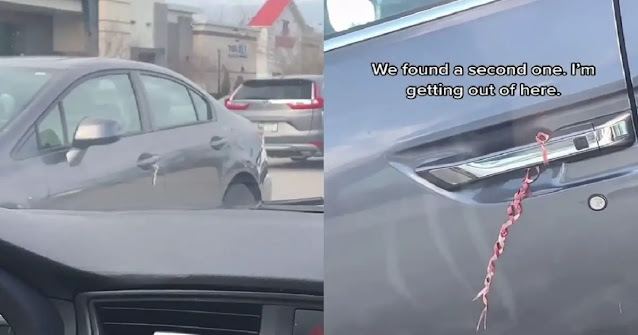
Have you ever walked toward your car in a parking lot and noticed a strange string, ribbon, or wire attached to the door handle? Situations like this can feel unsettling, especially because stories online often connect these objects to criminal activity. Over the past few years, social media posts and viral videos have caused many people to worry about what these items might mean.
But how much of this is actually true? Could it be a real safety threat, a prank, or simply a random coincidence? Here’s a closer look at the facts, along with practical safety advice that experts recommend.
How the Story Became Popular
The concern gained attention after several social media users shared videos of unusual objects tied to car handles. One TikTok creator, Shannon, posted about finding a decorative ribbon attached to the driver’s side handle of a parked car. She claimed she noticed similar items on other vehicles as well, and the video quickly spread online.
As more people commented, different theories began to appear. Some believed the ribbons were harmless jokes, while others suggested they were linked to criminal activity. Certain posts warned that the objects could be signals used by kidnappers or thieves to distract drivers.
Another creator, Reese, added that wire might be used instead of string because it is harder to remove quickly. According to the theory, the extra time spent removing it could leave someone vulnerable while distracted. These stories became popular because they tapped into common fears about personal safety in parking lots.
What Experts and Police Actually Say
Although the claims have gone viral, law enforcement agencies and security experts have found no verified evidence that tying strings or wires to vehicles is part of a widespread kidnapping or carjacking tactic.
Experts generally respond to these claims in the following ways:
- Kidnapping Signal: There are no confirmed reports connecting this method to actual abductions. Crimes like kidnapping usually involve direct action rather than small markers on vehicles.
- Distraction Technique: While the idea is theoretically possible, experts say it would be an inefficient method. Criminals typically prefer quicker opportunities.
- Vehicle Theft Marker: Car thieves usually target vehicles based on value, accessibility, or weak security—not ribbons or strings.
- Prank or Coincidence: In many situations, the object may simply be trash, leftover packaging, or part of a joke.
Organizations such as the FBI have not issued warnings about this specific trend. If you are concerned about safety in your area, local police departments are the best source of reliable information.
Real Parking Lot Dangers to Watch For
Even if the ribbon theory is mostly unsupported, parking lots can still present genuine safety risks. Being aware of common situations can help you stay protected.
1. Distraction Theft
Some criminals create distractions by asking questions, dropping objects, or requesting assistance. While your attention is elsewhere, another person may attempt to steal valuables from your car or bag. Stay alert and keep your vehicle locked whenever possible.
2. Carjacking
Carjackings involve someone attempting to take a vehicle by force. Parking in busy, well-lit areas and keeping your keys ready before reaching your car can reduce your risk.
3. Minor Collision Scams
Certain scams involve intentionally causing small accidents to pressure drivers into exiting their vehicles. If a situation feels suspicious, stay inside your locked car and contact authorities.
4. Vehicle Tampering
Occasionally, people may place tracking devices on cars or damage tires. A quick inspection around your vehicle before driving away is a smart precaution.
What to Do if You Notice Something on Your Car Handle
If you discover a ribbon, wire, or string attached to your vehicle, there is no reason to panic. Instead, take calm and practical steps.
Recommended Actions
- Observe Your Surroundings: Before touching anything, look around carefully. If someone nearby seems suspicious, move toward a safer public area.
- Take a Photo: Document the object using your phone in case you decide to report it later.
- Remove It Carefully: Use an item like a key or pen instead of your hands to remove the object.
- Inspect Your Vehicle: Check for scratches, damaged locks, or anything unusual around the tires and doors.
- Report Concerns: If something feels genuinely unsafe, notify security personnel or contact local authorities.
What Not to Do
- Do Not Panic: Most situations involving these objects are harmless.
- Avoid Confrontation: Never approach or challenge suspicious individuals yourself.
- Do Not Spread Unverified Claims: Sharing alarming rumors online without evidence can create unnecessary fear.
The Role of Social Media
Social media can spread information extremely quickly, but it can also make isolated incidents appear more common than they really are. Viral warnings often circulate without confirmation, which may increase anxiety unnecessarily.
When you come across safety-related posts online, consider whether the information comes from reliable sources or official law enforcement agencies before accepting it as fact.
Everyday Safety Habits That Matter Most
Instead of focusing only on internet rumors, experts recommend practicing basic safety habits that are proven to reduce risk:
- Park in busy, well-lit locations.
- Keep your keys ready before reaching your car.
- Lock your doors immediately after entering.
- Stay aware of your surroundings instead of looking at your phone.
- Consider using personal safety apps that can quickly contact trusted people or emergency services.
In most cases, finding a string or wire on a car door handle is likely harmless or accidental. However, staying observant and using good judgment is always important. Rely on trusted information, stay aware of your environment, and focus on practical habits that genuinely improve your safety.