Where to Dispose of Dirty Mop Water: Toilet or Bathtub?
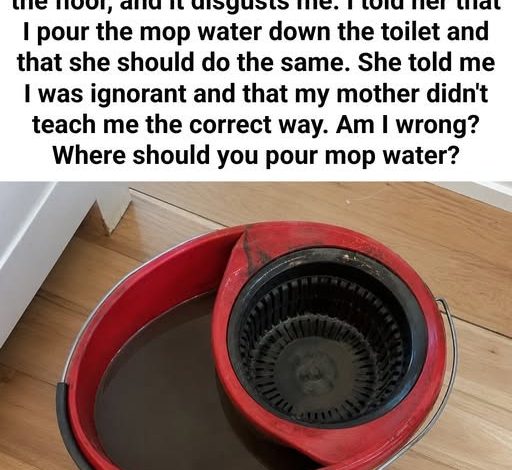
There’s something incredibly satisfying about finishing the floors and seeing them shine. The room feels brighter, the air smells fresher, and the house instantly looks more inviting. Then you glance into the mop bucket and see cloudy gray water filled with dust and grime—and suddenly another question appears: where should all of that dirty water go?
ADVERTISEMENT
Most people carry the bucket into the bathroom and pause for a moment. Is it better to pour it into the toilet or empty it into the bathtub?
ADVERTISEMENT
Living on my own in my seventies has taught me that everyday chores are easier when you work smarter instead of harder. Carrying a heavy bucket of dirty water across the house can strain your back and create unnecessary stress. Since I pay close attention to my overall health and try to avoid unnecessary lifting whenever possible, I decided to find out which option actually makes the most sense.
ADVERTISEMENT
After doing a little research into household plumbing and cleaning practices, I discovered that neither the toilet nor the bathtub is the ideal destination for mop water. Here’s what I learned.
Toilet or Bathtub?
Professional cleaners often consider more than just where the water drains. They also think about hygiene, splashing, and protecting bathroom fixtures.
Pouring It Into the Toilet
At first glance, the toilet seems like the obvious choice because it’s designed to handle waste. However, pouring a bucket of water into a relatively small bowl often creates splashes that can spread dirty droplets onto the toilet seat, rim, flush handle, and nearby surfaces.
If the toilet is your only option, pour slowly against the back of the bowl to reduce splashing. Even then, it isn’t considered the cleanest solution.
Pouring It Into the Bathtub
The bathtub offers a much larger opening, making it easier to empty a bucket without spilling.
The downside is that mop water often contains fine dirt, grit, hair, grease, and cleaning products. Those materials can leave behind a dull film, stain the surface, scratch certain finishes over time, and contribute to clogged drains if enough debris washes through the pipes.
The Best Places to Dispose of Mop Water
A Utility Sink
If your home has a laundry sink or utility sink, that’s generally the best place to empty dirty mop water.
These sinks are designed for heavier cleaning jobs, usually have larger drains, and help contain splashes much better than bathroom fixtures.
Outdoors
If you’ve cleaned your floors with a gentle homemade solution, such as water with a little vinegar and mild dish soap, pouring the used water onto soil or gravel may also be an option.
Avoid dumping it into storm drains or natural waterways, especially if commercial cleaning chemicals were used.
Protect Yourself While Cleaning
A bucket filled with water becomes surprisingly heavy. Carrying it across the house while trying to avoid spills places extra strain on your back, shoulders, and knees.
Repeated bending and awkward lifting can be tiring, especially for older adults or anyone dealing with joint discomfort.
Easier Alternatives
Consider switching to a microfiber spray mop or a spin-mop system with a built-in wringer. These options require far less lifting and make cleaning much easier while reducing the need to carry heavy buckets.
Helpful Cleaning Tips
Wear gloves. Cleaning solutions and hot water can dry out your hands, so a sturdy pair of rubber gloves helps protect your skin.
Line the bucket. For easier cleanup afterward, place a heavy-duty trash bag inside the bucket before filling it. Once you’re finished, remove the liner carefully and dispose of the dirty water appropriately, leaving the bucket much cleaner.
3-Ingredient Cucumber & Avocado Snack
Once the cleaning is finished, it’s nice to enjoy something cool and refreshing.
One of my favorite quick snacks combines crisp cucumber with creamy avocado. It’s light, simple, and comes together in just a few minutes.
Why It Works
Cucumber is naturally high in water, making it wonderfully refreshing, while avocado adds a rich, creamy texture and healthy fats. A squeeze of lemon brightens the flavor and helps prevent browning, and a pinch of flaky sea salt brings everything together beautifully.
Ingredients
| Ingredient | Amount |
|---|---|
| English cucumber | 1 large, sliced into thick rounds |
| Ripe avocado | 1 large |
| Fresh lemon juice | 1 tablespoon |
| Flaky sea salt | Pinch |
Directions
Mash the Avocado
Scoop the avocado into a small bowl. Add the lemon juice and sea salt, then mash gently with a fork until mostly smooth while leaving a little texture.
Assemble
Arrange the cucumber slices on a serving plate and spoon a generous amount of mashed avocado onto each slice.
Chill and Enjoy
Refrigerate for about 10 minutes before serving for an extra refreshing bite.